The first time I saw a mysterious white substance ooze from my roasting chicken, I nearly dropped the pan. My mind raced: Is the meat bad? Did I just ruin dinner? Am I about to poison my entire family? It was panic at its most dramatic—and, as it turns out, completely unnecessary.
Here’s the reassuring truth: that white “gunk” is totally normal. It might look odd or even off-putting, but it’s not a sign your chicken has gone bad or that dinner is doomed. In fact, it’s just science doing its thing.
What Exactly Is That White Stuff?
Let’s cut to the chase: it’s mostly protein—specifically, a mixture of water and coagulated proteins being pushed out of the meat as it cooks.
When chicken heats up, its muscle fibers contract. This squeezing action forces moisture to the surface. As the temperature rises, the proteins in that liquid—particularly a type called albumin, the same protein found in egg whites—denature and coagulate. The result? That familiar white, frothy-looking residue you sometimes see pooling around your chicken.
Sound familiar? It’s the same process that turns clear egg whites opaque and firm when you fry or boil an egg.
Is It Safe to Eat?
Absolutely—yes, without caveats (well, almost).
The white substance is just cooked protein and water. It’s not a sign of spoilage, undercooking, or contamination. Think of it as the culinary equivalent of the foam that rises when you poach salmon or boil eggs. Harmless, natural, and perfectly edible.
When Should You Be Concerned?
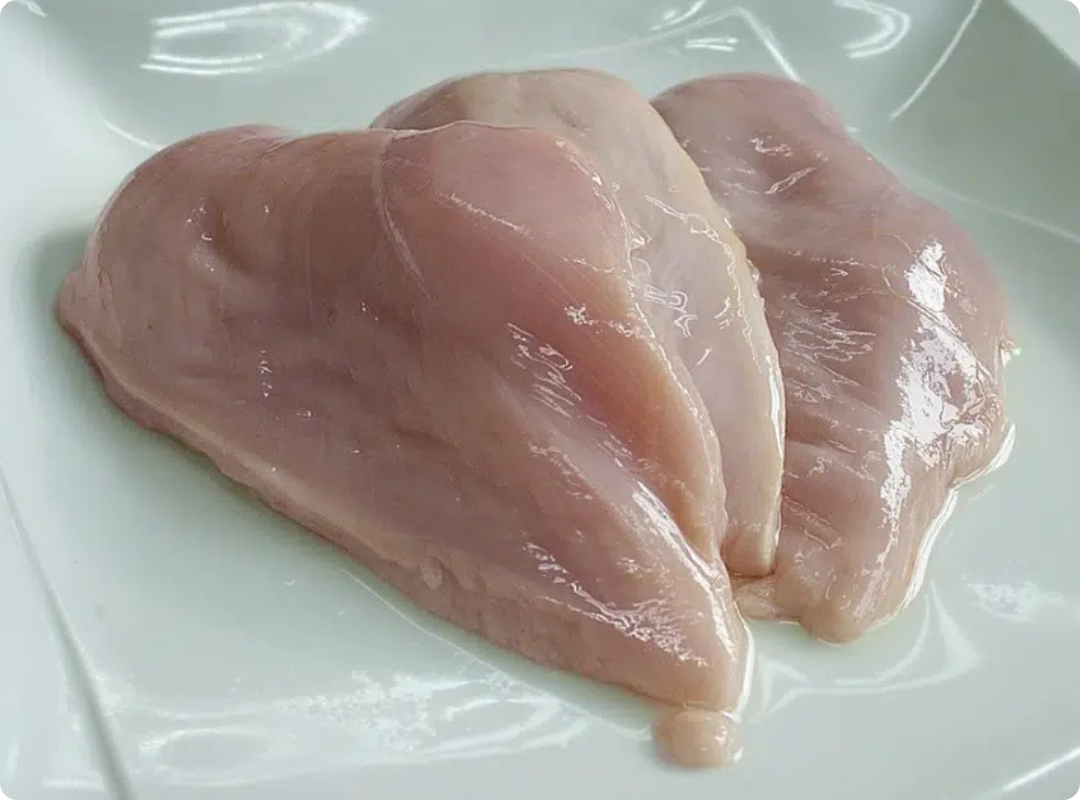
Not all mysterious liquids are created equal. While white is fine, gray, green, or brownish juices, especially when paired with:
- A sour, rancid, or “off” smell (think rotten eggs or sour milk)
- A slimy or sticky texture before cooking
- Discoloration (like dull gray or green tinges)
…are red flags. If your raw chicken looks, smells, or feels wrong before it hits the pan, trust your instincts and toss it. Your senses are your best food safety tool.
Can You Reduce or Prevent the White Stuff?
If it’s safe but you still find it unappetizing, you can minimize its appearance with a few simple techniques:
- Cook low and slow: High heat causes muscle fibers to contract violently, squeezing out more moisture—and more protein. Gentle heat helps retain juices.
- Brine your chicken: A simple saltwater soak helps muscle fibers retain moisture, reducing how much liquid (and protein) escapes during cooking.
- Don’t overcrowd the pan: Crowding steams the chicken instead of searing it, encouraging more moisture release.
- Pat the chicken dry before cooking: Removing surface moisture can reduce the amount of liquid available to mix with proteins and form that white residue.
That said, you may still see a little ooze here and there—because, well, biology. And that’s okay.
Is This Unique to Chicken?
Not at all! You’ll see similar white froth when cooking:
- Fish (especially salmon)
- Eggs (again, think boiled or poached whites)
- Pork chops
The science is the same across the board: heat + moisture + protein = coagulation. It’s a universal culinary phenomenon—equal parts gross and fascinating.
A Quick Science Sidebar (For the Curious)
The main protein responsible is albumin. In its raw state, it’s water-soluble and nearly invisible. But apply heat, and it transforms into that opaque, white mass we recognize instantly. It’s essentially your chicken performing a miniature egg-white magic trick—right in your skillet.
The Bottom Line: Stay Calm and Keep Cooking
So the next time you spot that white ooze while cooking chicken, take a breath. It’s not a crisis—it’s just proteins doing exactly what proteins do when heated.
Your chicken is safe.
Your dinner is not ruined.
And now, you’re armed with the knowledge to reassure anyone else who might gasp in horror at the sight.
Go ahead—smile, flip that chicken, and savor your meal. You’ve got this.