We’ve all been there: tossing and turning on a sweltering summer night, sheets tangled, fan whirring uselessly, wondering how anyone could possibly sleep in this heat. Science confirms what our bodies already know—cooler rooms lead to better sleep. Most experts agree that an ideal bedroom temperature hovers around 65°F (18°C) for optimal rest.
But what if you don’t have air conditioning—or even a window unit?
Enter two simple, time-tested, and completely free cooling tricks that require nothing more than a towel, a pillowcase, and a little ingenuity.
The Wet Towel Trick: Nature’s Air Cooler
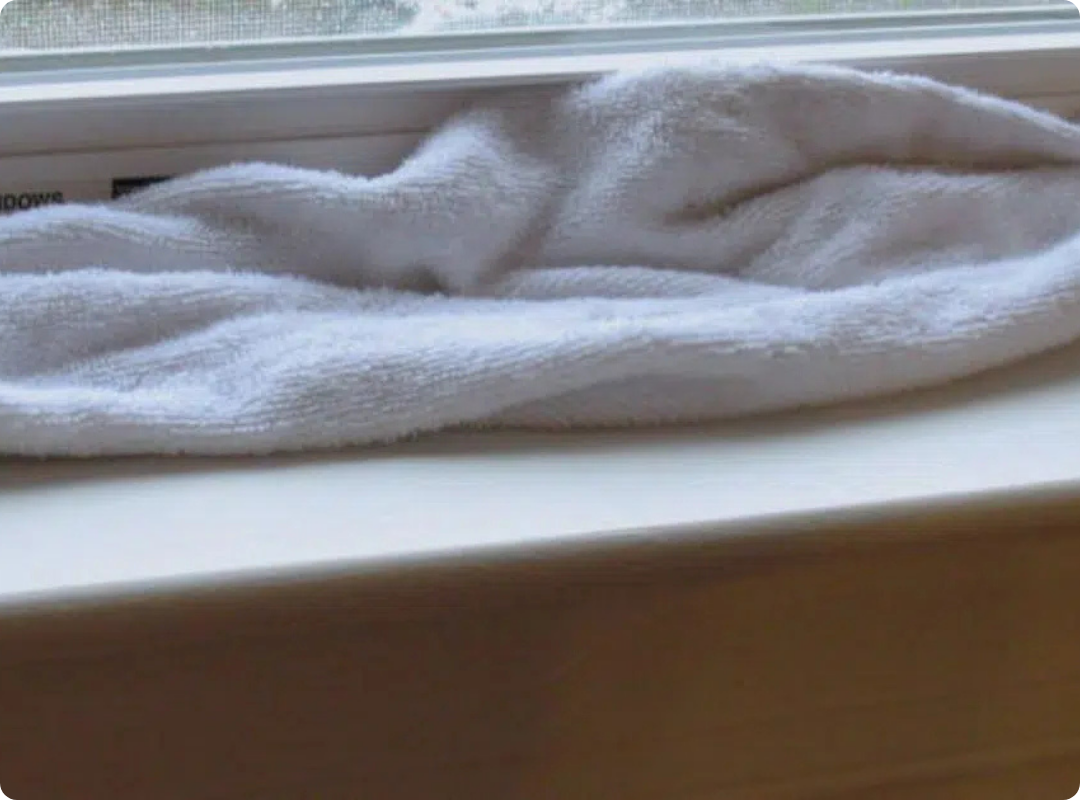
One surprisingly effective method? Place a damp (not dripping) towel on your windowsill and crack the window open slightly.
Here’s how it works: as warm outdoor air flows through the open window, it passes over the cool, moist fabric. The evaporation from the towel lowers the temperature of the incoming breeze—a principle similar to how evaporative coolers (or “swamp coolers”) function. The result? A subtle but noticeable drop in room temperature and a fresher, more comfortable sleeping environment.
💡 Pro tip: Use a lightweight cotton towel for faster evaporation, and re-dampen it if you’re facing an especially hot night.
The Chilled Pillowcase: Instant Cooling for Your Core
Another favorite among heat-weary sleepers? Pop your pillowcase in the fridge or freezer for 10–15 minutes before bed.
Since your head and neck are major heat-release zones, resting them on a cool surface helps lower your core body temperature quickly—triggering the natural signal that it’s time to sleep. Unlike ice packs or cold cloths that warm up fast, a chilled pillowcase stays cool longer and integrates seamlessly into your routine.
🌙 Bonus: For extra relief, try freezing a hot water bottle filled with water and placing it at your feet—it draws heat away from your core without making you shiver.
Why These Hacks Stand the Test of Time
Both methods are:
- Completely free
- Energy-efficient (no electricity required)
- Quiet and non-disruptive
- Backed by basic physics—evaporative cooling and conductive heat transfer
They won’t replace AC in extreme heat, but for mild to moderate summer nights, they can make the difference between restless frustration and deep, restorative sleep.
You don’t need expensive gadgets or high energy bills to stay cool. Sometimes, the oldest tricks—rooted in simplicity and science—are the most effective. So the next time a heatwave rolls in, skip the sweat and try these two effortless hacks. Your body (and your sleep) will thank you.