That persistent ache after a long day on your feet. The way your calves throb by evening. Feet that stay chilled even under blankets. A tingling, “pins and needles” sensation when you cross your legs. These aren’t just minor annoyances—they’re your body’s quiet signals: circulation is struggling.
Poor circulation in the legs is far more common than many realize—especially among those who sit for hours, stand all day, or carry extra weight. And while it often starts subtly, left unaddressed, it can progress to chronic swelling, skin changes, or more serious vascular concerns.
The good news? Your circulatory system is remarkably responsive to simple, consistent care. You don’t need drastic measures—just thoughtful, daily habits that honor how your body is designed to move, nourish, and rest.
Why Blood Flow Slows in the Legs: It’s Not Just “Aging”
Your legs are the farthest point from your heart—and the hardest place for blood to return upward. When circulation falters, it’s rarely one cause, but a convergence of factors:
- Prolonged stillness (desk jobs, long drives) lets blood pool in the lower limbs.
- Smoking constricts vessels and damages their inner lining, reducing elasticity.
- Excess weight increases pressure on veins, making it harder for valves to push blood upward.
- Natural aging gradually stiffens arteries and weakens vein walls—yet lifestyle can powerfully offset this.
- Underlying conditions like diabetes, hypertension, or high cholesterol silently accelerate vascular wear.
Think of your circulatory system like a river: when flow slows, sediment builds. When banks weaken, water leaks. Restoration begins by re-invigorating the current.
Key Signs Your Circulation Needs Support
Pay attention if you notice:
🔹 Swelling (edema) in ankles or calves—especially worse by afternoon
🔹 Persistent coldness in feet or lower legs, unrelieved by socks or warmth
🔹 A deep heaviness or fatigue in the legs—like wearing invisible weights
🔹 Tingling, numbness, or “restless” sensations—often at night
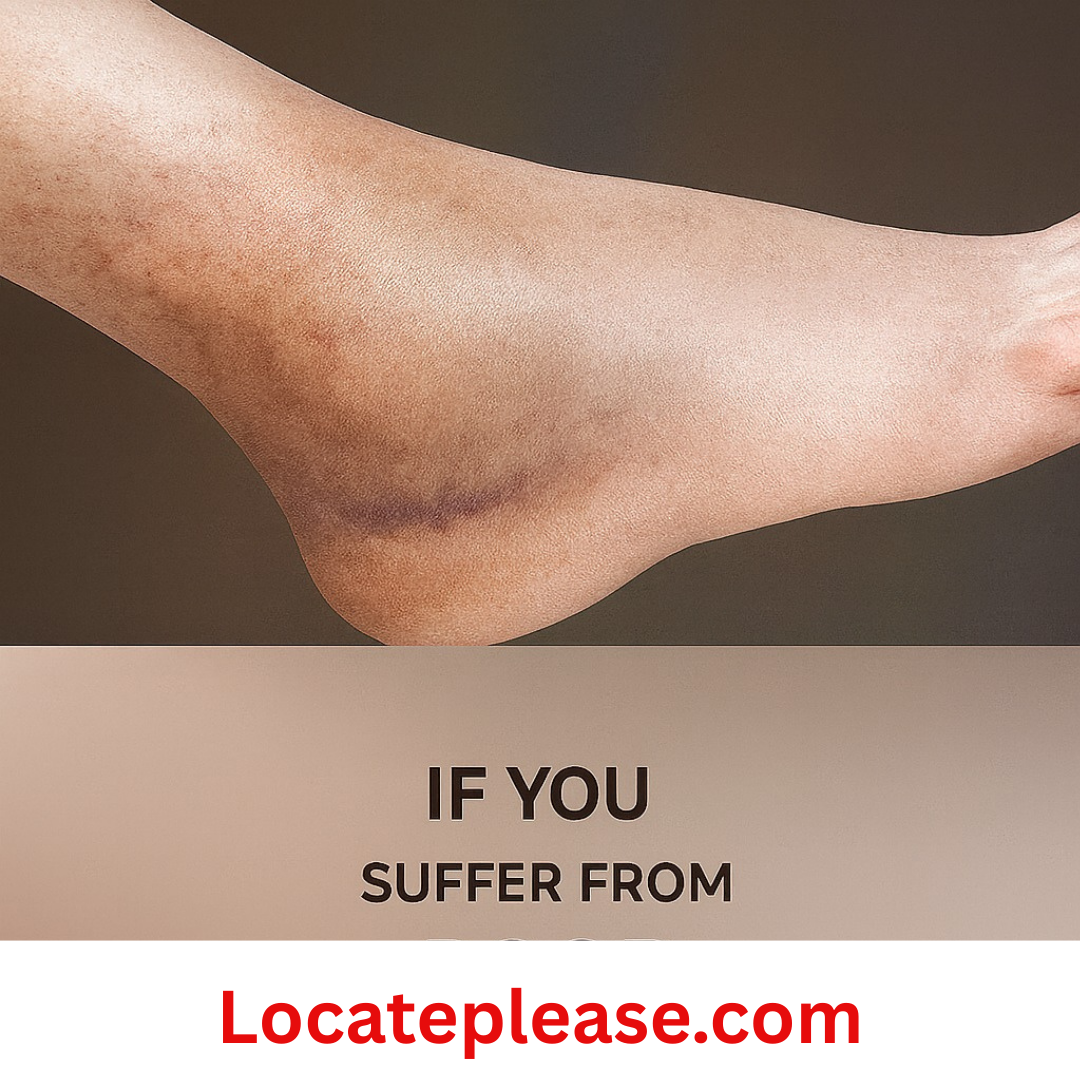
🔹 Visible changes: bulging veins (varicose), discoloration, or slow-healing sores
Important: Sudden, severe pain, one-sided swelling, or skin that’s red/warm to the touch warrants immediate medical attention—these may signal a clot.
Gentle, Evidence-Backed Ways to Revive Flow—Starting Today
You don’t need a gym membership or expensive gear. These strategies work with your body’s natural rhythms:
✅ Move—Even in Small Doses
Your calf muscles are your “second heart”—they pump blood upward with every step. Aim for:
- 5-minute walks every hour if sedentary
- Calf raises while brushing teeth (20 reps, 3x/day)
- Gentle yoga or swimming (low-impact, high-circulation payoff)
✅ Elevate with Intention
Lie on your back, legs resting vertically against a wall for 10–15 minutes. Or prop feet on a cushioned stool above heart level. Do this 2–3x daily—especially after long standing/sitting.
✅ Try Graduated Compression Socks
Unlike tight knee-highs, medical-grade compression (15–20 mmHg) applies gentle, tapered pressure—strongest at the ankle, easing upward—to support vein function. Wear during long flights, workdays, or car trips.
✅ Nourish from Within
Focus on foods that support vessel health:
- Leafy greens (spinach, kale) for nitrates → improve blood flow
- Berries & citrus for flavonoids → strengthen capillaries
- Fatty fish (salmon, sardines) for omega-3s → reduce inflammation
- Garlic, ginger, cayenne → natural vasodilators (add to soups, stir-fries!)
✅ Hydrate—Smartly
Dehydration thickens blood, slowing circulation. Sip water steadily—aim for pale yellow urine. Limit excess caffeine and alcohol, which can dehydrate.
✅ Stimulate with Touch
A daily 5-minute self-massage—starting at the ankle, stroking upward toward the heart—encourages lymphatic drainage and blood return. Use light pressure; avoid if swelling is acute.
✅ Stretch Before Bed
Gentle calf and hamstring stretches (hold 30 sec, no bouncing) release tension and improve overnight flow. Try: seated forward fold, towel hamstring stretch, or “legs up the wall.”
When to Seek Professional Guidance
While lifestyle shifts help most cases, persistent or worsening symptoms—especially with risk factors like diabetes or a family history of vascular disease—deserve evaluation. A healthcare provider can check for:
- Peripheral Artery Disease (PAD)
- Chronic Venous Insufficiency (CVI)
- Blood clots (DVT)
- Nerve compression (e.g., sciatica mimicking circulatory issues)
Early assessment means earlier, more effective support—often preventing progression.
Your legs carry you through life—literally. When they feel heavy, it’s not weakness. It’s a call for kindness: to move more, rest wisely, and nourish deeply. Circulation isn’t just about blood—it’s about vitality. And with small, consistent gestures, you can help your body remember how to flow, pulse, and thrive—step by steady step.