You’ve felt it—that flicker of guilt as you hold a carton of milk past its date, wondering: Is it still good? Or am I risking more than spoilage?
Here’s what the USDA and generations of wise home cooks have known all along:
Those little dates on packages aren’t stop signs. They’re whispers.
They don’t tell you “Throw this away.”
They tell you: “This is when it’s at its best.”
The rest?
That’s where your hands, your nose, your memory come in.
What the Dates Really Mean (A Gentle Translation)
Those labels weren’t written by food scientists to scare you. They were made for grocery stores—to keep shelves tidy, not to dictate your kitchen.
|
What It Says
|
What It Whisper**s
|
What You Can Do
|
|---|---|---|
|
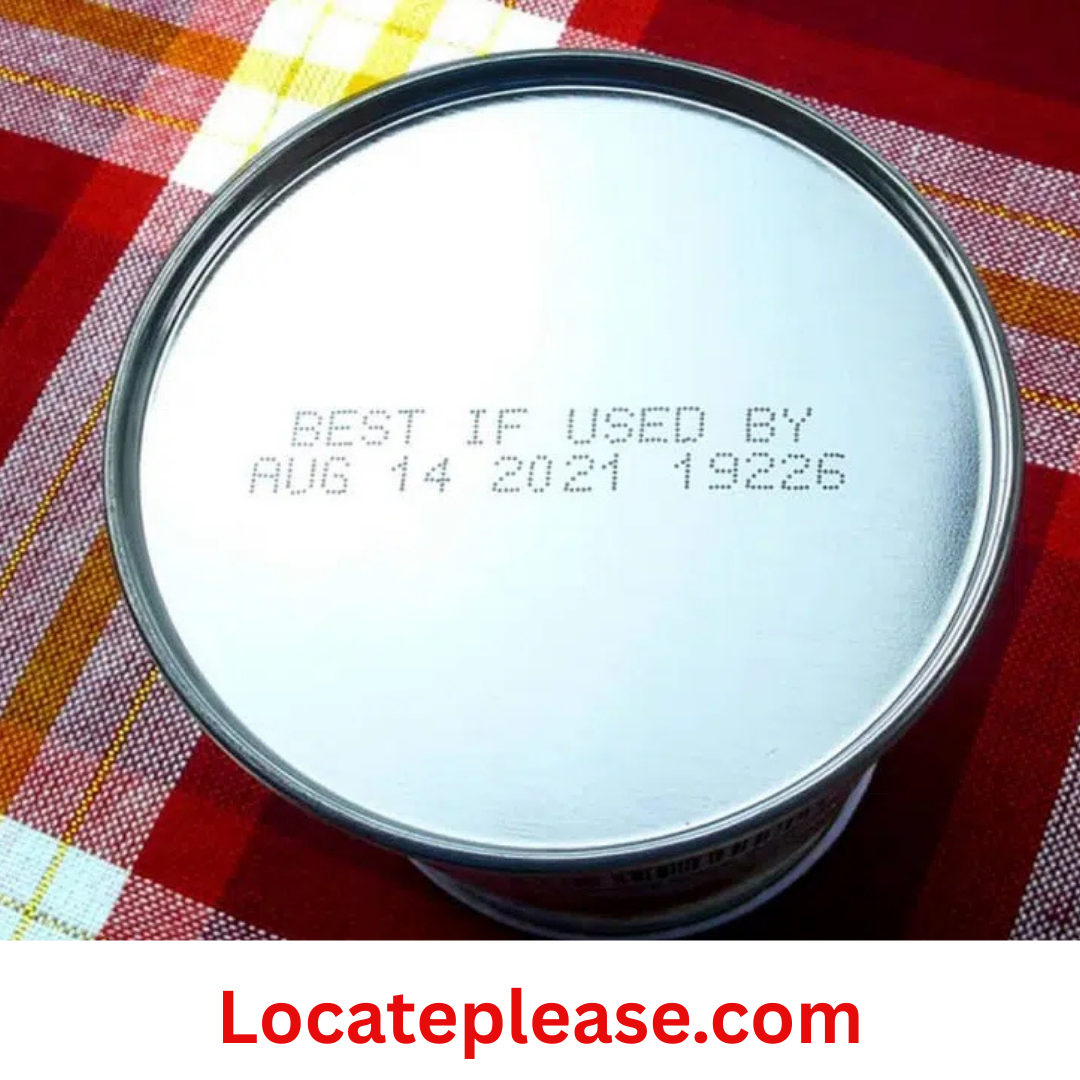
“Best if Used By”
|
“I’m at my peak—crisp, bright, full of flavor.”
|
Eat now for joy—or later for nourishment.
|
|
“Use By”
|
“I’m still safe, but my spark is fading.”
|
Taste first, trust your senses.
|
|
“Sell By”
|
“Stores, please move me soon.”
|
Ignore this one at home—it’s not for you.
|
This isn’t about ignoring safety.
It’s about honoring food—the soil that grew it, the hands that harvested it, the love that brought it to your table.
The Quiet Art of Knowing When Food Is Still Good
Your body has been trained for this. For centuries, we’ve relied on senses—not stickers—to decide:
🥚 Eggs
→ 3–5 weeks after purchase (even past the date!).
→ The float test: Gently lower into a bowl of water.
✓ Sinks and lies flat? Fresh and strong.
✓ Stands upright? Still safe—but use soon.
✓ Floats? Thank it, and compost.
🥩 Meat & Poultry
→ 1–2 days past “Sell By” in the fridge—if it smells clean and feels firm.
→ When in doubt: freeze it. Wrap tightly in freezer paper (not plastic wrap—it tears). Thaw overnight in the fridge.
🥛 Milk
→ Often good 5–7 days past “Best By”—if it smells sweet and pours smoothly.
→ Sour smell or curdled texture? That’s your signal—not the calendar.
🍚 Dry Goods (Rice, Pasta, Oats)
→ Years, not months—if stored in airtight jars away from heat and light.
→ Joye’s secret: Tuck a bay leaf in your rice bin—wards off weevils, no chemicals needed.
🥫 Canned Goods
→ Safe for years—if the can is smooth, un-rusted, and not swollen.
→ Discard if:
✓ Can bulges or leaks
✓ Liquid inside looks cloudy or foamy
✓ Smell is sharp or “off”
❄️ Frozen Food
→ Safe forever at 0°F—but quality fades over time.
→ Best flavor:
✓ Meat: 6–12 months
✓ Veggies: 8–12 months
✓ Bread: 3–6 months
When to Listen Closely: The Body’s True Alarms
Some signs need no date stamp:
→ Mold (except on hard cheese—cut 1 inch around it)
→ Sour, rancid, or “wrong” smells (trust your nose—it’s older than expiration laws)
→ Slimy texture on meat or greens
→ Fizzing in jarred goods (sign of fermentation gone wrong)
When these appear:
→ Thank the food for its service.
→ Compost what you can.
→ Let go without guilt.
A Deeper Truth: Food Waste Is a Quiet Grief
We throw away 30% of our food—not because it’s bad, but because we’ve forgotten how to know it.
This isn’t just money down the drain.
It’s:
→ Seeds that won’t feed children
→ Water drawn from drought-stricken rivers
→ Fuel burned for trucks that carried something good to a landfill
But here’s the hope:
Every time you taste before tossing,
every time you freeze instead of discard,
you’re not just saving groceries—
you’re practicing stewardship.
Simple Ways to Honor What You Have
→ Store wisely:
✓ Fridge at 37°F (not 40°F—cold enough to slow spoilage, not freeze lettuce)
✓ Keep herbs in a glass of water, covered with a bag (like flowers)
✓ Store potatoes and onions separately—they make each other sprout faster
→ See with new eyes:
✓ Slightly soft apples? → Bake into crisp or sauce
✓ Wilted greens? → Sauté with garlic and olive oil
✓ Stale bread? → Cube for croutons or bread pudding
A Closing Blessing for Your Kitchen
The next time you hold a container past its date:
→ Pause.
→ Press your palm to your heart.
→ Whisper: “What do I truly know about this?”
Then:
→ Smell it.
→ Look at it.
→ Trust the wisdom in your hands—the same hands that knead dough, hold children, and know when the light is just right for tomatoes.
Because food isn’t meant to be feared.
It’s meant to be received.
With gratitude.
With attention.
With the quiet courage to say:
“This is still good.
I will not waste what was given.”
—
With deep respect for the earth, the farmers, and the home cooks who keep us fed.