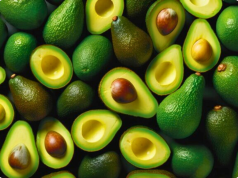

With its fragrant sweetness and vibrant tropical flavor, guava is far more than just a delicious addition to fruit salads or smoothie bowls. Both modern science and centuries-old traditional medicine recognize this humble fruit—and especially its leaves—as a potent natural ally for healthy blood sugar management.
For those living with prediabetes, type 2 diabetes, or simply seeking preventive wellness strategies, guava offers a low-glycemic, fiber-rich, and antioxidant-packed solution that’s both accessible and effective. Let’s explore how this “miracle fruit” supports metabolic health—and how to use it wisely.
How Guava Supports Healthy Blood Sugar Levels
1. Exceptionally Low Glycemic Index (GI)
Guava scores just 12–24 on the glycemic index, depending on ripeness and preparation—making it one of the lowest-GI fruits available.
Why it matters:
- Prevents rapid spikes in blood glucose after meals
- Reduces demand on insulin production
- Promotes steady energy and longer-lasting fullness, supporting appetite control and healthy weight management
Unlike high-sugar fruits that can cause blood sugar surges, guava delivers sweetness without the crash.
2. Packed with Blood-Sugar-Friendly Fiber
A single medium guava provides 3–9 grams of dietary fiber—nearly a third of your daily needs. Much of this is soluble fiber, which forms a gentle gel in the digestive tract.
Key benefits:
- Slows the absorption of sugar into the bloodstream
- Blunts post-meal glucose spikes
- Nourishes beneficial gut bacteria, which emerging research links to improved insulin sensitivity
- Enhances satiety, helping curb overeating and support metabolic health
Pro tip: Eat guava with the skin and seeds—that’s where much of the fiber resides!
3. Rich in Antioxidants & Metabolic-Supportive Nutrients
Guava isn’t just low in sugar—it’s high in protective compounds:
- Vitamin C: Contains 4x more than an orange, helping combat oxidative stress and inflammation—both linked to insulin resistance.
- Potassium: Supports healthy blood pressure and fluid balance, crucial for those managing metabolic syndrome.
- Flavonoids (like quercetin): These plant compounds may help protect insulin-producing beta cells in the pancreas and improve cellular response to insulin.
Guava Leaves: Ancient Wisdom, Backed by Science
Long used in Ayurvedic and East Asian herbal traditions, guava leaf tea is now gaining recognition in clinical research for its anti-diabetic properties.
The leaves contain polyphenols and tannins that work in two key ways:
- Inhibit carbohydrate-digesting enzymes (like alpha-glucosidase), slowing the breakdown of starches into sugar—leading to gentler post-meal glucose curves.
- Enhance insulin sensitivity, helping cells absorb glucose more efficiently.
How to use it: Steep 1–2 teaspoons of dried guava leaves in hot water for 10 minutes. Drink after meals to help moderate blood sugar responses.
Practical Ways to Enjoy Guava for Blood Sugar Balance
✅ Eat the whole fruit: Skin, flesh, and seeds—all edible and nutrient-dense.
✅ Sip guava leaf tea: A simple, traditional way to harness its metabolic benefits.
✅ Pair with protein or healthy fats: Try guava slices with Greek yogurt or almond butter to further stabilize blood sugar.
❌ Avoid processed forms: Juices, jams, canned guava in syrup, and sweetened purees strip away fiber and add unnecessary sugar—defeating the purpose.
⚠️ Practice moderation: Even with a low GI, guava contains natural sugars. Stick to 1–2 servings per day as part of a balanced diet.
Important Considerations
While guava is a powerful dietary tool, it is not a substitute for medical treatment. If you have diabetes, are on glucose-lowering medications, or have other metabolic conditions, consult your healthcare provider before making significant dietary changes—especially when using concentrated forms like leaf extract or supplements.
Used thoughtfully, however, guava can be a natural, flavorful, and evidence-backed complement to a holistic approach to blood sugar control—proving that sometimes, the best medicine grows on a tree.