
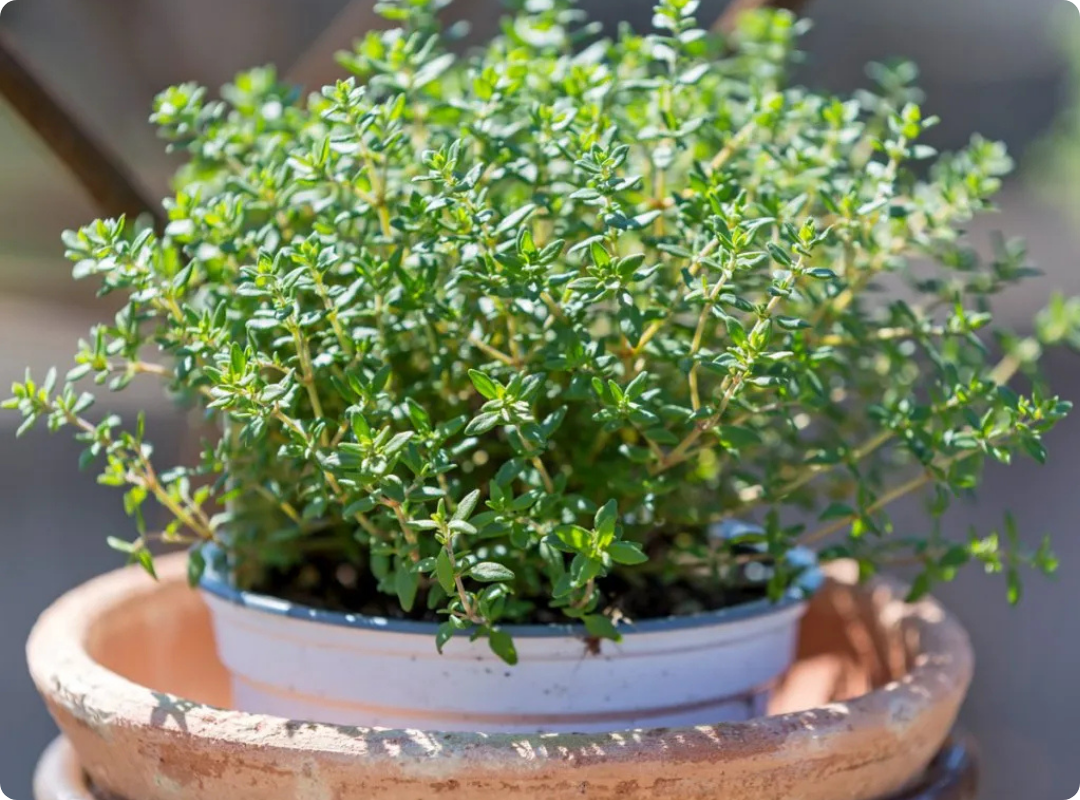
If you walked into my garden—or even peeked at my kitchen windowsill—you’d find thyme everywhere. Trailing over pots, tucked between stones, spilling from hanging baskets—it’s not just a plant I grow; it’s a quiet guardian of my home. For years, I’ve turned to this humble herb not just for flavor, but as a trusted ally in wellness. And when used intentionally—as a tonic, tincture, or tea—thyme reveals its true power: a natural defender against some of the most stubborn microbes we face.
Why Thyme? More Than Just a Kitchen Staple
Thyme (Thymus vulgaris) has been revered for centuries—not only in Mediterranean cooking but in traditional medicine across Europe, North Africa, and the Middle East. Its secret lies in thymol, a potent compound found in its essential oil, along with carvacrol, linalool, and other antimicrobial phytochemicals. Modern science now confirms what herbalists have long known: thyme possesses remarkable antibacterial, antiviral, and antifungal properties.
In my home, I don’t wait for illness to strike. I use thyme preventively—steeping it into teas, infusing it into tinctures, or simmering it into immune-boosting tonics—especially during cold and flu season or times of stress.
How I Use Thyme for Wellness (And Why These Methods Work Best)
While fresh thyme adds depth to soups and roasts, its medicinal potency shines in liquid preparations:
1. Thyme Tea – Gentle Daily Support
I steep 1–2 teaspoons of dried thyme (or a small handful of fresh) in hot water for 10–15 minutes. This simple tea:
- Soothes sore throats
- Loosens mucus (it’s a natural expectorant)
- Supports respiratory health during colds or allergies
I drink it daily in winter, often with a squeeze of lemon and a touch of raw honey.
2. Thyme Tincture – Concentrated Defense
For stronger support, I make a thyme tincture by soaking fresh thyme in high-proof alcohol (like vodka) for 4–6 weeks. This extracts thymol and other actives into a shelf-stable liquid.
- At the first sign of a scratchy throat or fatigue, I take 1–2 droppers full in water, 2–3 times daily.
- It’s my go-to during flu outbreaks or after exposure to sick friends.
3. Thyme Tonic – Deep Immune Nourishment
I simmer thyme with garlic, ginger, and a splash of apple cider vinegar in water for 20 minutes, then strain and store in the fridge. This tonic:
- Helps maintain a healthy microbial balance
- Supports the body’s natural defenses
- Can be sipped warm or added to broths
What Science Says About Thyme’s Antimicrobial Power
Research supports many traditional uses of thyme:
- Against bacteria: Studies show thyme oil is effective against Streptococcus species (including those causing strep throat) and other common pathogens.
- Antiviral activity: Lab studies indicate thyme extracts may inhibit influenza viruses and herpes simplex virus (HSV) by disrupting viral envelopes.
- Antifungal action: Thyme has demonstrated strong activity against Candida albicans, the yeast responsible for oral and systemic candidiasis.
⚠️ Important Note: While promising, most studies use concentrated thyme oil or extracts—not culinary doses. Thyme should be seen as a supportive wellness tool, not a replacement for medical treatment in serious infections.
A Word on Safety & Respect
Thyme is generally safe when used in food or moderate herbal doses. However:
- Essential oil should never be ingested undiluted—it’s highly concentrated and can irritate mucous membranes.
- Pregnant women should avoid medicinal doses (though culinary use is fine).
- Always consult a healthcare provider if you have a serious infection like strep throat or active herpes—thyme can complement care but shouldn’t delay antibiotics or antivirals when needed.
Thyme grows easily, asks for little, and gives back abundantly. In my home, it’s more than an herb—it’s a ritual, a remedy, and a reminder that nature often holds quiet, powerful solutions. Whether brewed in a teacup or steeped in a tincture jar, thyme offers gentle yet profound support for body and spirit.
So if you’ve got a patch of thyme—or room for one—consider welcoming it not just into your kitchen, but into your wellness routine. You might just find, as I have, that this unassuming herb becomes one of your most trusted allies.