Caring for plants may seem simple at first glance, but it requires thoughtful attention—especially when it comes to fertilization. While store-bought fertilizers promise quick results, many contain synthetic chemicals that can harm the environment, soil health, and even your own well-being.
The good news? You already have a powerful, all-natural fertilizer in your kitchen: coffee grounds. Not only are they free (if you drink coffee), but they’re also packed with nutrients that nourish your plants and deter pests—all without a single chemical.
Here’s how to turn your morning brew’s leftovers into garden gold.
Why Go Natural?
Commercial fertilizers often disrupt soil ecosystems and contribute to water pollution. In contrast, natural alternatives like coffee grounds work with nature—feeding the soil, not just the plant. They’re sustainable, cost-effective, and surprisingly effective when used correctly.
The Power of Coffee Grounds
Don’t toss those used coffee grounds! They’re rich in:
- Nitrogen – essential for leafy green growth
- Calcium & Magnesium – support strong cell structure and root development
- Antioxidants – contribute to overall soil vitality
Plus, their mild acidity and texture act as a natural deterrent against slugs, snails, and certain insects.
How to Make Coffee Ground Fertilizer (In Just 2 Minutes)
- Gather your supplies:
- A clean 1.5-liter plastic bottle
- 1 liter of water (room temperature)
- 4 tablespoons of used coffee grounds
- Mix it up:
Use a funnel to add the coffee grounds to the bottle, then fill with water. If needed, top off with a bit more water to reach 1 liter. - Let it steep:
Close the bottle and shake well. Let the mixture sit for 48 hours to allow nutrients to infuse into the water. - Apply to plants:
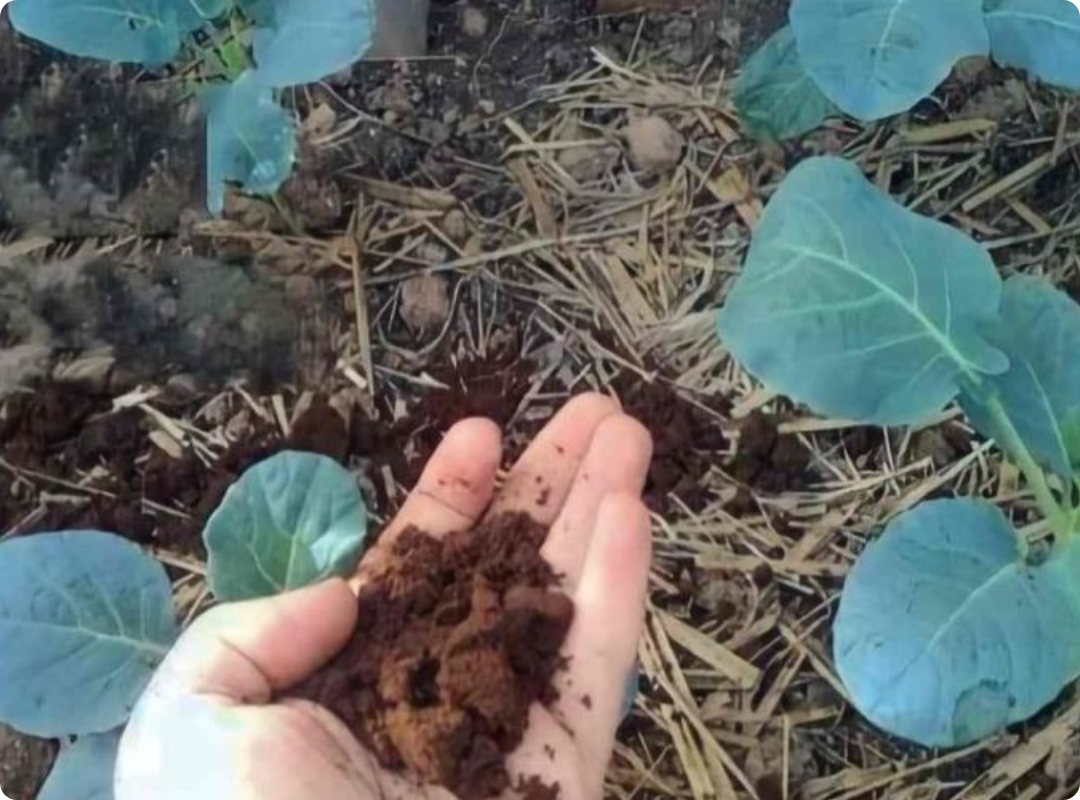
Strain or use directly (grounds can be added to soil too). Pour the liquid around the base of your plants once a week as a gentle, nutrient-rich feed.
💡 Tip: You can also sprinkle dry coffee grounds directly onto soil—but always mix them in lightly to prevent clumping.
Important Considerations
While coffee grounds are beneficial for many plants, they’re not ideal for all. Avoid using them on:
- Broccoli
- Radishes
- Tomatoes
- Sunflowers
Why? Coffee grounds can slightly lower soil pH (making it more acidic). These particular vegetables prefer neutral to slightly alkaline conditions, so excess acidity may hinder their growth.
For acid-loving plants like roses, blueberries, azaleas, and hydrangeas, however, coffee grounds are a perfect match.
Turning coffee waste into plant food isn’t just eco-friendly—it’s smart gardening. With this simple, two-minute fertilizer, you’ll nourish your soil, reduce household waste, and grow healthier, more vibrant plants. And yes—your garden might just become the envy of the neighborhood.
So next time you finish your espresso, don’t throw away the grounds. Your garden is waiting.