
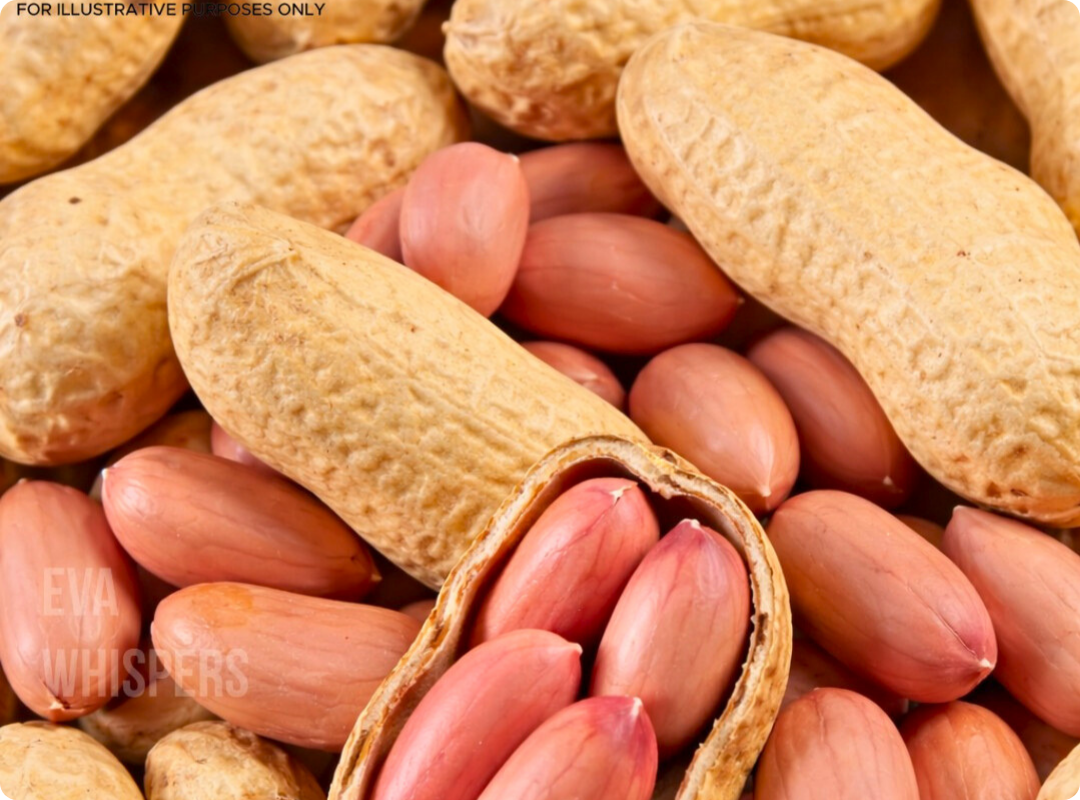
They look unassuming—humble, earthy, tucked inside a rough shell. But peanuts are nutritional alchemists. Though technically legumes (not true nuts), they work in your body like few other foods: quietly stabilizing, strengthening, and sustaining. Eat them mindfully, and you’re not just snacking—you’re inviting a cascade of subtle, science-backed benefits that ripple through your entire system.
Here’s what unfolds when peanuts become part of your daily rhythm.
A Protein That Builds Without the Bulk
That small handful (28 grams) delivers 7 grams of plant-powered protein—not as a heavy meal, but as a gentle infusion. Your digestive system breaks it into amino acids that quietly go to work: repairing muscle fibers after movement, fortifying immune defenses, and fueling the enzymes and hormones that keep your body humming. For plant-based eaters, this makes peanuts a humble hero—proof that profound nourishment doesn’t require animal products.
The Heart’s Quiet Ally
Peanuts cradle your cardiovascular system in monounsaturated and polyunsaturated fats—the same gentle fats celebrated in olive oil. Eaten without excess salt or sugar, they nudge LDL (“bad”) cholesterol downward while supporting HDL (“good”) levels. They soothe inflammation in blood vessel walls. And tucked within their folds lies resveratrol, an antioxidant that helps blood vessels relax and flow with ease—like a quiet sigh after tension.
Blood Sugar, Balanced
Unlike refined carbs that send glucose soaring, peanuts move with deliberate grace. Their low glycemic index means carbohydrates release slowly, glucose enters the bloodstream steadily, and insulin responds without alarm. For those navigating insulin resistance or simply seeking metabolic calm, peanuts offer a rare gift: sweetness without the spike, satisfaction without the crash.
Fullness That Lasts
This is where peanuts reveal their genius: the triad of protein, healthy fat, and fiber creates a slow-digesting symphony. Your stomach empties gradually. Hunger hormones quiet down. Satiety signals rise. You feel content—not stuffed. And here’s the paradox science confirms: despite their calorie density, regular peanut eaters often maintain healthier weights. Not because peanuts are “low-cal,” but because they honor your body’s wisdom—helping you stop when you’ve had enough.
The Brain’s Gentle Guardian
Inside each peanut lies a toolkit for cognitive resilience:
→ Niacin (B3) – linked to sharper memory and protection against age-related decline
→ Vitamin E – a shield against oxidative damage to delicate brain cells
→ Healthy fats – the very substance nerve cells use to communicate
Eaten consistently, peanuts don’t just fuel thought—they help preserve the capacity for it.
Muscles That Remember How to Relax
Magnesium and potassium, abundant in peanuts, are the unsung conductors of your muscular and nervous systems. Magnesium coaxes tense muscles into release. Potassium carries the whispers between nerves that prevent cramps and spasms. After a long walk, a restless night, or simply the weight of the day—peanuts offer quiet recalibration.
Cellular Shields, Activated
Peanuts arrive armored with antioxidants: polyphenols, resveratrol, vitamin E. These compounds seek out free radicals—the unstable molecules that fray our cells over time—and neutralize them before damage takes hold. This isn’t dramatic intervention. It’s daily maintenance: the kind that, over years, may soften the edges of aging and inflammation.
Digestion, Honored
Though not fiber-rich like beans, peanuts still contribute meaningfully to gut health. Their modest fiber content encourages regularity, feeds beneficial bacteria, and supports the quiet ecosystem within. And because a thriving gut influences immunity, nutrient uptake, and even mood—this small contribution ripples outward in ways we’re only beginning to understand.
The Deeper Truth About Peanuts
Peanuts don’t shout their benefits. They don’t promise miracles or demand attention. They simply do the work—steadily, humbly, without fanfare.
But wisdom matters: choose dry-roasted or raw over honey-roasted or salt-drenched versions. A light hand with seasoning lets their natural goodness shine. And if allergies run in your family, honor that boundary—peanuts’ power demands respect.
In a world of extreme diets and fleeting superfoods, peanuts remain a constant: accessible, affordable, and profoundly nourishing. They remind us that the most enduring health habits aren’t complicated. They’re as simple as cracking open a shell—and trusting what lies within.
One handful. Countless quiet benefits. All waiting in the palm of your hand