
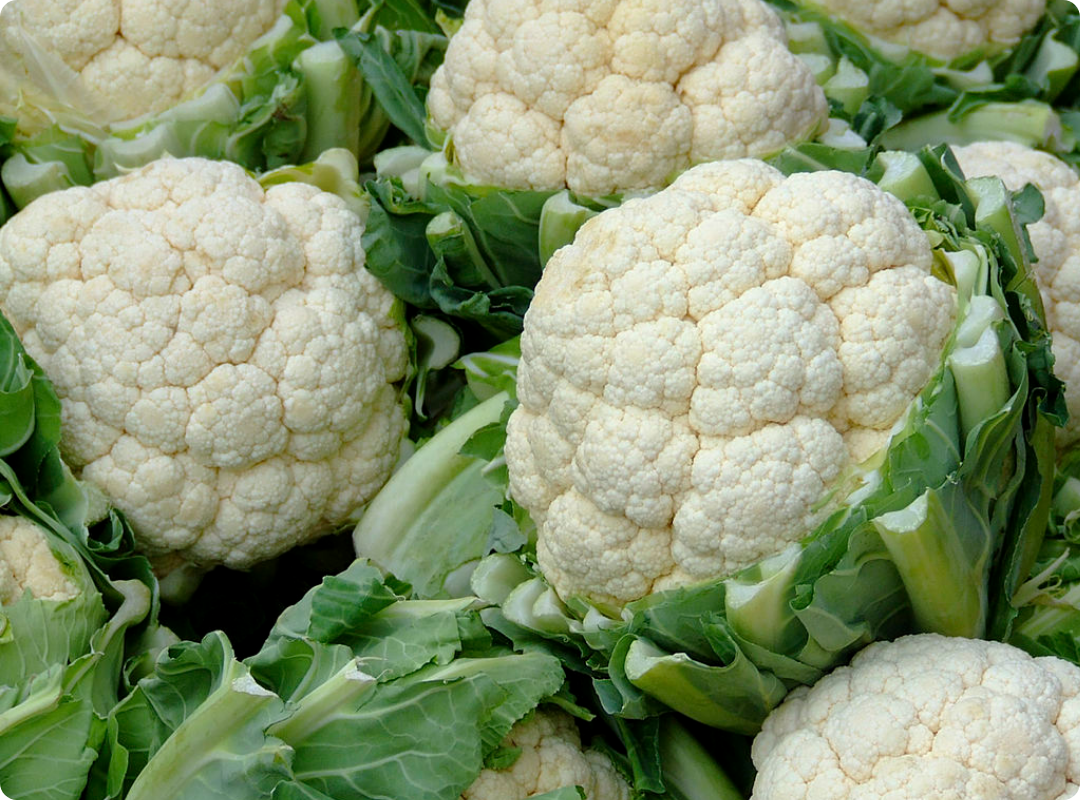
Don’t let its modest appearance fool you. Cauliflower—pale, unassuming, often overlooked—is one of nature’s most sophisticated nutritional allies. Far from “just another veggie,” it’s a cruciferous powerhouse packed with bioactive compounds that actively support immunity, heart health, detoxification, and even cellular defense. And with its mild flavor and remarkable adaptability (rice, mash, pizza crust, even steak!), it slips seamlessly into any diet—without sacrifice.
Here’s why this humble floret deserves center stage in your kitchen—and your long-term wellness plan.
🌟 A Nutrient-Dense Foundation for Whole-Body Health
Cauliflower delivers an impressive array of essential vitamins and minerals—per cup, raw:
- Vitamin C (77% DV): Fuels immune cell function and collagen synthesis for skin, joints, and blood vessels.
- Vitamin K (20% DV): Critical for blood clotting, bone mineralization, and arterial health.
- B Vitamins (Folate, B6, Choline): Support energy metabolism, neurotransmitter production, and fetal development.
- Potassium, Magnesium, Manganese: Regulate nerve signaling, muscle contractions (including the heart), and enzyme activation.
Unlike starchy vegetables, cauliflower is low in calories (only 25 per cup) yet high in water and fiber—making it deeply satisfying without spiking blood sugar.
🛡️ Antioxidant Arsenal: Defending Cells, Reducing Inflammation
Cauliflower doesn’t just contain antioxidants—it specializes in them:
- Sulforaphane (activated when chopped/chewed): One of the most studied phytochemicals, shown to upregulate the body’s own antioxidant enzymes.
- Glucosinolates: Precursors to compounds like indole-3-carbinol, which help modulate hormone metabolism and detoxify carcinogens.
- Carotenoids & Flavonoids: Neutralize free radicals linked to aging, cognitive decline, and chronic disease.
Research suggests regular intake of cruciferous vegetables like cauliflower is associated with reduced systemic inflammation—a root cause of many modern illnesses.
🫀 Heart Health, Strengthened from Within
Your cardiovascular system thrives on cauliflower’s dual action:
✅ Fiber binds cholesterol in the gut, aiding its elimination and lowering LDL (“bad”) levels.
✅ Antioxidants (especially sulforaphane) improve endothelial function—keeping arteries flexible and reducing hypertension risk.
A 2020 Journal of the American Heart Association study found that eating cruciferous vegetables daily was linked to thinner carotid artery walls—a marker of reduced atherosclerosis risk.
🧬 Cellular Guardian: Science-Backed Cancer-Protective Compounds
Cauliflower’s cancer-fighting reputation isn’t hype—it’s biochemistry. When chopped or chewed, its glucosinolates convert into:
- Sulforaphane: Enhances Phase II liver detoxification, helping eliminate environmental toxins.
- Indole-3-carbinol: Supports healthy estrogen metabolism, potentially lowering hormone-related cancer risk (e.g., breast, prostate).
- Phenethyl isothiocyanate (PEITC): Shown in lab studies to inhibit tumor growth and promote apoptosis (programmed cell death) in abnormal cells.
While no single food prevents cancer, population studies consistently link high cruciferous vegetable intake with lower incidence of lung, colorectal, breast, and prostate cancers.
🧼 Gentle Detox Support—Straight from Nature
Your liver doesn’t need juice cleanses—it needs sulfur. Cauliflower is rich in sulfur-containing compounds (like glucoraphanin) that:
- Boost production of glutathione—your body’s “master antioxidant.”
- Activate detox enzymes that neutralize heavy metals, pollutants, and metabolic byproducts.
- Reduce oxidative stress in liver tissue itself.
Think of cauliflower not as a “cleanse,” but as daily cellular maintenance.
⚖️ Weight Management, Without Deprivation
Cauliflower supports healthy weight in three key ways:
- High volume, low energy density: 1 cup = 25 calories, yet fills the plate.
- Fiber (3g per cup): Slows gastric emptying, stabilizes blood sugar, and feeds satiety-signaling gut bacteria.
- Versatility: Swap rice, potatoes, or pasta for cauliflower versions—cutting calories without feeling restricted.
💡 Maximizing the Benefits: A Few Simple Tips
- Chop and wait: Let chopped cauliflower sit 40 minutes before cooking—this maximizes sulforaphane formation.
- Steam lightly: Preserve nutrients better than boiling (which leaches vitamins).
- Pair with mustard seed or daikon: These contain myrosinase, the enzyme that activates sulforaphane—especially helpful if cooking (heat deactivates the veggie’s own enzyme).
Cauliflower isn’t trendy—it’s timeless. It doesn’t shout. It sustains. In a world of quick fixes and extreme diets, this unassuming vegetable offers something far more valuable: consistent, science-supported nourishment that works quietly, day after day, to help your body thrive.
So the next time you see it in the produce aisle—pale, compact, perfectly ordinary—remember: within those tightly packed florets lies a symphony of protection, resilience, and vitality.
All you have to do is bring it home.