
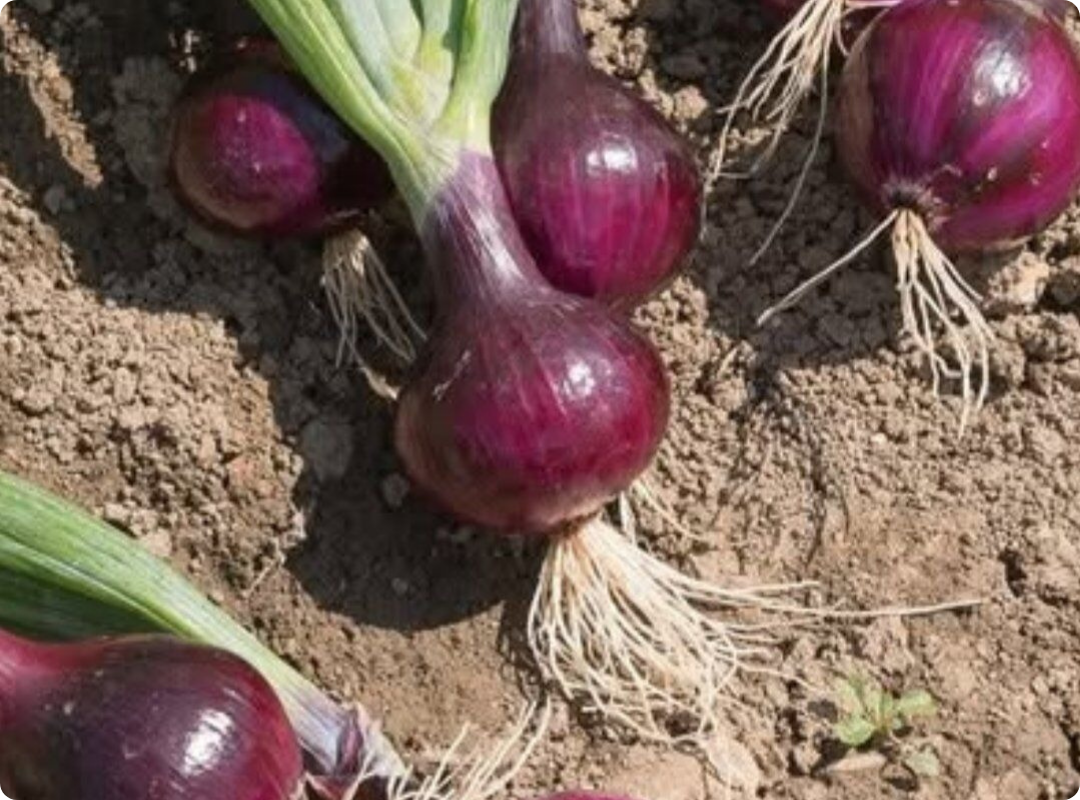
Onions are a kitchen essential across cultures—chopped into salsas, caramelized on burgers, simmered into soups, or tossed raw into salads. Their sharp aroma and layered flavor make them indispensable in cooking. But beyond their culinary versatility, onions are a nutritional powerhouse with surprising long-term health benefits.
That said, as with any potent food, balance matters. While many thrive on daily onion consumption, others may need to proceed with caution—especially those with certain health conditions. Let’s explore what science says about eating onions every day, and how to enjoy them wisely.
1. A Shield for Long-Term Wellness
Onions belong to the Allium family—a group that includes garlic, leeks, and shallots—long celebrated in traditional medicine and modern research alike. Studies suggest that regular onion intake, particularly raw or lightly cooked, is linked to a lower risk of stomach and colorectal cancers. This protective effect is attributed to their rich concentration of antioxidants and organosulfur compounds, which help combat oxidative stress and inflammation at the cellular level.
2. Unexpected Support for Stronger Bones
While dairy often steals the spotlight in bone health, onions may deserve a supporting role. In a long-term study of women, researchers found that those who ate onions daily had 5% higher bone density than those who rarely consumed them. Though the exact mechanism isn’t fully understood, it’s believed that onions’ antioxidant properties may help reduce bone loss over time—making them a simple addition to a bone-healthy diet.
3. Natural Aid for Blood Sugar Balance
For those managing metabolic health, onions offer a subtle yet meaningful benefit. They contain sulfur compounds that appear to enhance insulin sensitivity and support healthy glucose metabolism. In one clinical observation, people with type 2 diabetes who consumed 100 grams of raw red onion experienced a significant drop in blood sugar within just four hours. While not a replacement for medication, onions can be a helpful dietary ally when used consistently.
4. A Boost for Immune Resilience
Often called “nature’s multivitamin for immunity,” onions are rich in vitamin C, zinc, and quercetin—all key players in immune defense. Traditionally, they’ve been used in home remedies to ease seasonal discomforts:
- Their natural antimicrobial properties help fend off pathogens.
- As an expectorant, they loosen mucus and soothe irritated throats.
It’s no wonder onion-based syrups and broths have been passed down through generations during cold and flu season.
Important Considerations: When Onions Might Not Agree With You
Despite their benefits, onions aren’t universally well-tolerated. Here’s what to watch for:
Digestive Sensitivity
Raw onions can trigger bloating, gas, or heartburn in sensitive individuals—especially those with IBS or acid reflux. Solution: Cook onions thoroughly. Sautéing, roasting, or caramelizing breaks down the fructans (a type of fiber) that cause digestive upset, making them gentler on the stomach.
Blood Pressure Interactions
Onions naturally support cardiovascular health—but for those already on blood pressure medication or with chronically low BP, large amounts may cause dizziness or fatigue due to additive effects. Monitor your response if you consume onions daily.
Food Pairing Wisdom
In Ayurvedic tradition, onions are sometimes avoided with honey or seafood (like shrimp or fish), as these combinations are believed to promote indigestion or toxin formation. While modern science hasn’t confirmed danger in these pairings for most people, some individuals report improved digestion when avoiding them. Listen to your body—if a combo causes bloating, it’s worth noting.
How Much Is Just Right?
Moderation is key. Most experts suggest enjoying ¼ to ½ cup of chopped onions per day—about what you’d use in a salad, soup, or stir-fry. This amount delivers nutrients without overwhelming your system.
Eating significantly more may lead to:
- Excess gas or bloating
- Occasional heartburn
- Strong breath or body odor (thanks to sulfur compounds)
The onion is far more than a flavor enhancer—it’s a quiet guardian of long-term health. By including a modest amount in your daily meals, you tap into centuries of culinary wisdom and modern science alike. Just remember: like all powerful foods, it’s best enjoyed with awareness, balance, and respect for your body’s unique needs. So go ahead—slice, sauté, or savor it raw—but do so mindfully. Your future self may thank you.