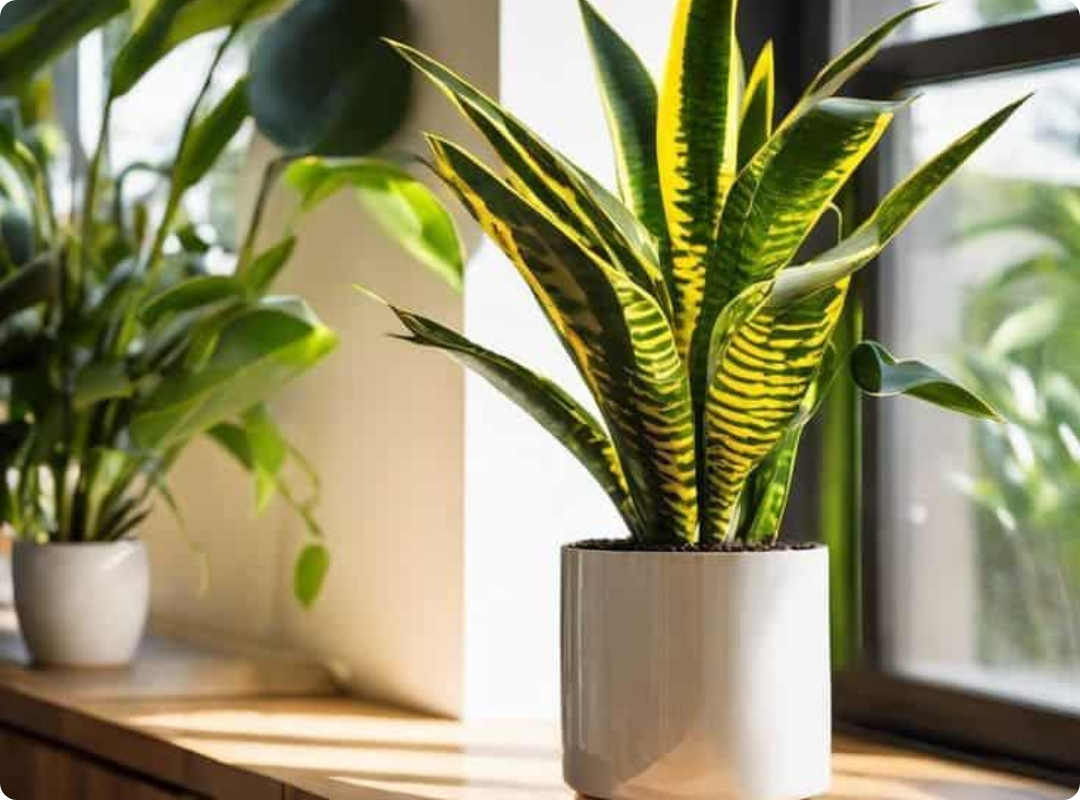
Renowned for its striking sword-like leaves, air-purifying power, and near-indestructible nature, the snake plant (Sansevieria) is a favorite among both novice and seasoned plant lovers. But even the toughest houseplants eventually outgrow their pots or become root-bound. That’s where propagation comes in—not just as a way to refresh your plant, but as a joyful, sustainable method to multiply your greenery and share it with others.
Best of all? You don’t need special tools or a green thumb. With just a little patience and one of these three proven methods, you can turn a single snake plant into many.
Method 1: Division – Instant Results, Zero Wait Time
Best for: Mature plants with multiple leaf clusters or overcrowded roots.
Why it works: Division creates full-sized plants immediately—no waiting for roots to form.
How to Do It:
- Gently remove the plant from its pot and shake off excess soil to expose the root system.
- Look for natural separations—distinct clumps where leaves and roots grow together.
- Using clean, sharp pruning shears or a knife, carefully cut between sections. Ensure each division has at least one healthy leaf cluster and a portion of roots.
- Repot each section into a container with well-draining potting mix, water lightly, and place in bright, indirect light.
✅ Tip: This is also the perfect time to refresh the soil and inspect for root rot.
Method 2: Leaf Cuttings – Multiply from a Single Leaf
Best for: Creating multiple new plants from one mature leaf.
Note: This method takes longer (2–6 months for roots), and variegated varieties may lose their patterns—new plants often revert to solid green.
How to Propagate in Soil:
- Select a healthy, mature leaf and cut it cleanly at the base with a sterilized knife.
- Slice the leaf into 4–6 inch segments. Mark the bottom end (the part closest to the roots)—this is crucial!
- Let the cuttings air-dry for 1–2 days to form calluses. This step prevents rot.
- Plant each segment upright in well-draining soil, burying the bottom inch.
- Keep the soil lightly moist and place in bright, indirect light. Roots will emerge in several weeks.
⚠️ Avoid planting upside down—roots won’t form if the top end is buried.
Method 3: Rhizome Propagation – Harness Nature’s Hidden Power
Best for: Plants producing lots of “pups” (offsets) from underground rhizomes.
Why it works: Rhizomes are energy-rich storage organs that naturally produce new shoots.
How to Do It:
- Remove the plant from its pot and gently rinse or brush away soil to reveal the thick, horizontal rhizomes.
- Identify sections with visible pups or small leaf shoots.
- Using a clean knife, cut the rhizome into pieces, ensuring each has roots and at least one shoot.
- Plant each section in fresh, well-draining soil with the shoot pointing upward and above the soil line.
- Water lightly and place in bright, indirect light.
🌱 This method preserves variegation and produces genetically identical plants.
Caring for Your New Propagations
After propagation, your young snake plants need gentle care to thrive:
- Light: Bright, indirect sunlight. Avoid direct sun (scorches leaves) and deep shade (stalls growth).
- Water: Let the soil dry completely between waterings. Overwatering is the #1 cause of failure.
- Fertilizer: Feed monthly with a balanced houseplant fertilizer during spring and summer only. Skip in fall and winter.
- Patience: Root development can take weeks to months—especially with leaf cuttings. Resist the urge to tug or overwater!
Common Mistakes to Avoid
❌ Planting leaf cuttings upside down → No roots will form. Always mark the bottom!
❌ Skipping the callusing step → Leads to rot in leaf cuttings.
❌ Overwatering new propagations → Snake plants hate soggy soil. When in doubt, wait.
❌ Placing cuttings in low light → New roots need bright, indirect light to develop properly.
Propagating your snake plant isn’t just practical—it’s deeply rewarding. Whether you choose the instant gratification of division, the patient art of leaf cuttings, or the natural efficiency of rhizome propagation, you’re not just growing plants. You’re continuing a legacy of resilience, sharing beauty, and connecting with the quiet magic of nature—one sword-shaped leaf at a time.
So grab your shears, honor your plant’s growth, and get ready to fill your home (and your friends’ homes) with thriving green life.