
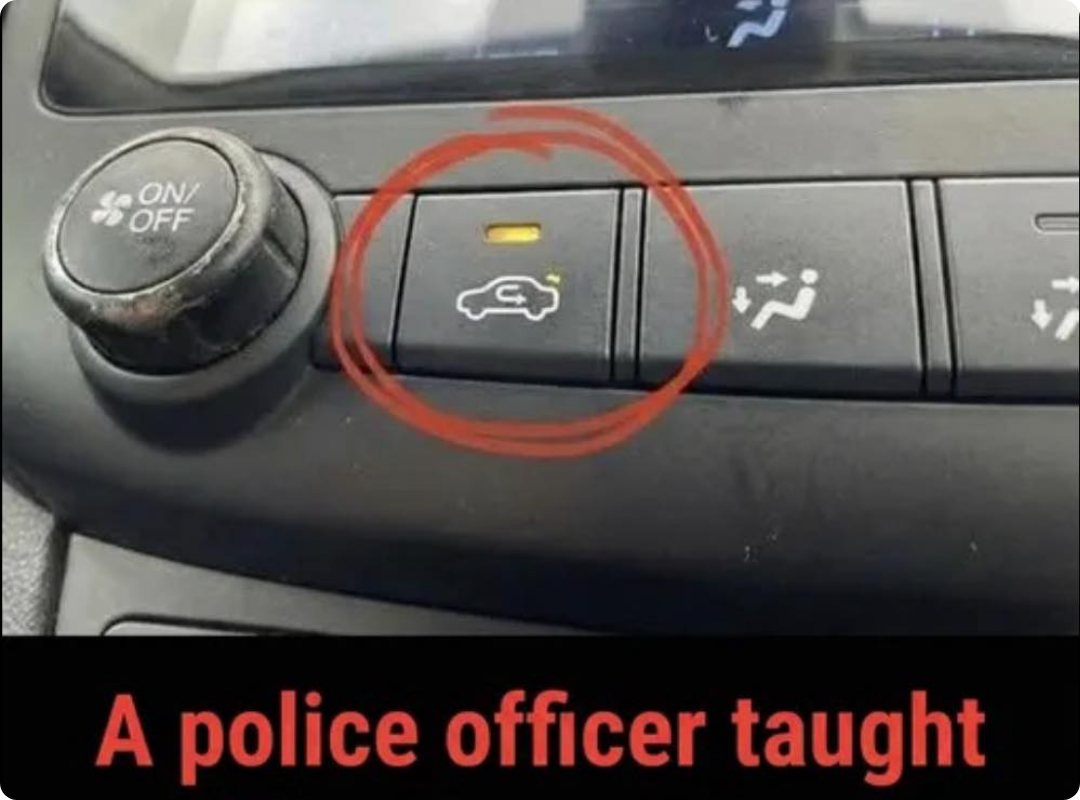
You’ve likely seen it: a small icon on your dashboard showing a car with a circular arrow. Most drivers recognize it—but few understand what it actually does. This unassuming button controls your vehicle’s air recirculation system, a simple yet powerful feature that can dramatically improve comfort, air quality, and even fuel efficiency when used correctly.
Whether you’re battling summer heat, stuck in traffic behind a diesel truck, or navigating pollen-heavy spring air, knowing when to engage—or disengage—this function can make every drive noticeably more pleasant.
How It Works: Fresh Air vs. Recirculated Air
Your car’s HVAC system has two modes:
- Fresh Air Mode (Recirculation OFF):
The system draws in outside air, passes it through the cabin air filter, then heats or cools it before circulating it through the interior. - Recirculation Mode (Recirculation ON):
A small internal flap closes off the outside air intake, creating a closed loop that reuses the air already inside the cabin.
This might seem like a minor detail—but it has major implications for comfort and performance.
When to Use Recirculation (And Why It Helps)
✅ Faster Cooling in Hot Weather
On sweltering days, recirculation lets your AC cool the same air over and over—rather than constantly fighting hot outside air. This means your cabin reaches a comfortable temperature more quickly and with less strain on the system, potentially improving fuel economy.
✅ Blocking Pollutants and Odors
Driving behind a bus spewing exhaust? Passing a landfill or construction site? Recirculation acts as a barrier, preventing smoke, fumes, dust, and strong smells from entering your cabin.
✅ Allergy Relief
During high-pollen seasons, keeping outside air out significantly reduces the amount of allergens circulating inside—especially when paired with a clean cabin air filter.
When Not to Use Recirculation
⚠️ In Cold or Rainy Weather
Trapping moist air inside the cabin increases humidity, which can cause windows to fog up—a serious visibility hazard. Switch back to fresh air mode to keep your windshield clear.
⚠️ On Long Drives
While recirculation feels cozy, it gradually depletes oxygen and concentrates CO₂, which can contribute to drowsiness or fatigue. Letting in fresh air helps maintain alertness and overall air quality.
Pro Tip: Maintain Your Cabin Air Filter
For recirculation (and your entire HVAC system) to work effectively, your cabin air filter must be clean. A clogged filter restricts airflow, reduces cooling efficiency, and allows pollutants to bypass filtration.
🔧 Replace it every 12,000–15,000 miles—or more often if you drive in dusty or urban environments.
That little circular-arrow button isn’t just decoration—it’s a smart climate-control tool hiding in plain sight. By using recirculation strategically, you’ll enjoy cooler summers, cleaner air, clearer windows, and a more comfortable ride year-round.
So next time you hop in your car, take a moment to consider: Is today a fresh-air day… or a recirculation day? Your comfort—and your passengers—will thank you.