Fatty liver disease silently affects hundreds of millions of people worldwide, often without clear warning signs. Many are surprised to learn that you don’t need to be overweight to develop it—it can occur in children, teens, and adults of all body types. In fact, it’s increasingly common even among those who appear healthy on the outside.
What Really Drives Fatty Liver?
The condition is closely tied to modern dietary and metabolic patterns. Key risk factors include:
- Excess body fat—especially visceral fat around the abdomen
- High triglycerides or elevated LDL (“bad”) cholesterol
- Insulin resistance, prediabetes, or type 2 diabetes
- High blood pressure
- A diet dominated by ultra-processed foods: think white bread, sugary cereals, pastries, snack bars, and other packaged items lining the center aisles of grocery stores
These refined carbohydrates and added sugars flood the bloodstream with glucose. When your liver and muscles reach their storage limit for glycogen (the body’s stored form of sugar), the excess is converted into fat. That fat doesn’t just settle in your waistline—it builds up inside the liver itself, impairing its ability to function properly.
Your Liver: The Body’s Silent Powerhouse
Often overlooked, the liver is one of your hardest-working organs, performing hundreds of critical tasks every day:
- Filtering toxins, medications, and metabolic waste (like bilirubin and excess hormones) from the blood
- Producing bile to help digest fats in the small intestine
- Metabolizing fats, proteins, and carbohydrates
- Storing glycogen for quick energy and maintaining reserves of essential vitamins (A, D, E, K, B12) and minerals like iron
- Manufacturing vital proteins such as albumin (which regulates fluid balance) and clotting factors necessary for wound healing
When fat accumulates in the liver—particularly due to surrounding visceral fat, which wraps around internal organs—it triggers chronic inflammation that disrupts these life-sustaining processes.
Subtle Clues Your Liver Might Be Overburdened
Because symptoms are often mild or mistaken for normal fatigue, fatty liver can go undetected for years. Possible early signs include:
- Persistent bloating or digestive discomfort
- Unexplained low energy or chronic tiredness
- Stubborn weight gain, especially around the midsection
- Difficulty losing weight despite healthy habits
These aren’t definitive diagnoses—but they may signal that your liver is under metabolic stress.
The Good News: Your Liver Can Heal Itself
The liver is remarkably resilient and capable of regeneration. With the right lifestyle shifts, early-stage fatty liver can often be reversed naturally:
- Eat whole, unprocessed foods: Focus on vegetables, fruits, legumes, whole grains, and healthy fats
- Boost soluble fiber: Found in oats, flaxseeds, apples, and beans, it helps regulate blood sugar and cholesterol
- Stay hydrated, limit added sugars, and avoid refined carbs
- Move regularly—even daily walks make a difference
- Prioritize quality sleep and manage stress, both of which deeply influence metabolic health
Enter Turmeric: The “Golden Spice” with Real Science Behind It
Among natural allies, turmeric stands out. Its active compound, curcumin, is supported by a growing body of research for its role in liver health. Studies suggest it can:
- Reduce fat buildup in the liver
- Lower inflammation and oxidative stress
- Improve insulin sensitivity
- Help normalize liver enzyme levels
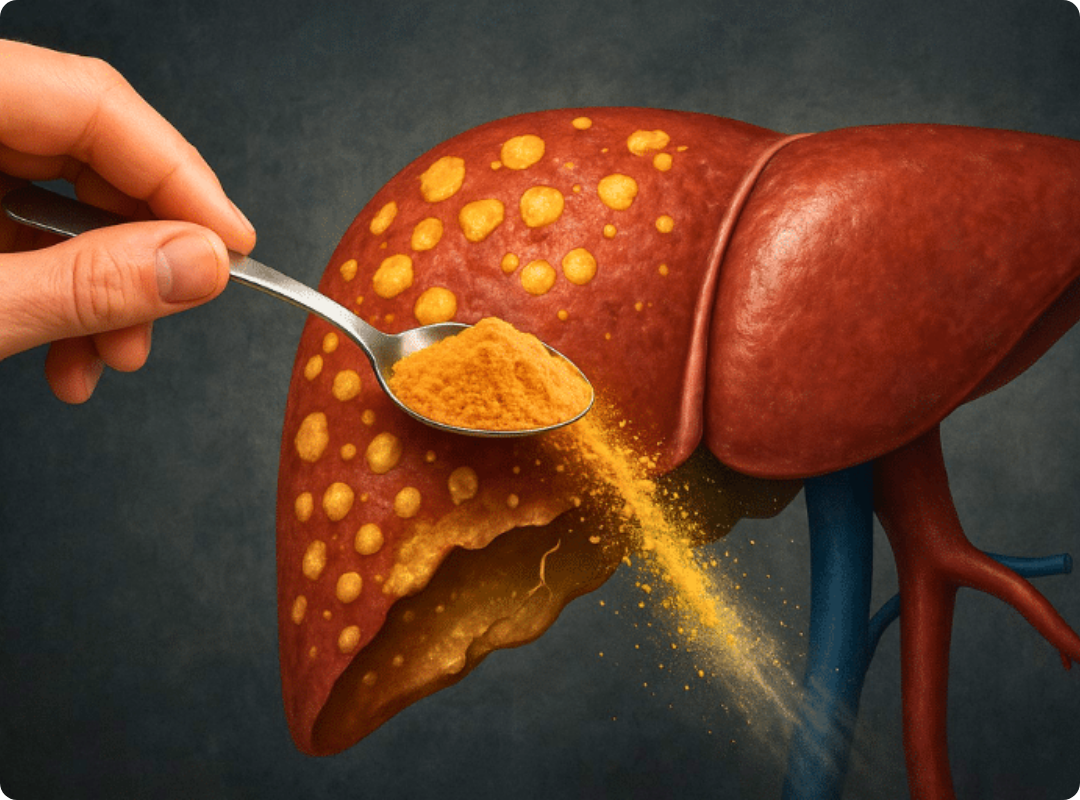
Just one teaspoon of high-quality turmeric per day—ideally combined with a pinch of black pepper and a healthy fat like olive oil or avocado to enhance absorption—may offer meaningful support.
Fatty liver isn’t a life sentence—it’s a wake-up call. By replacing processed convenience foods with whole, nourishing ingredients and embracing simple daily habits—movement, rest, hydration, and yes, a golden sprinkle of turmeric—you give your liver the chance to heal, regenerate, and thrive. After all, a healthy liver isn’t just about detoxing; it’s the quiet engine of your entire metabolic well-being. And sometimes, healing begins with something as simple as a single teaspoon.