
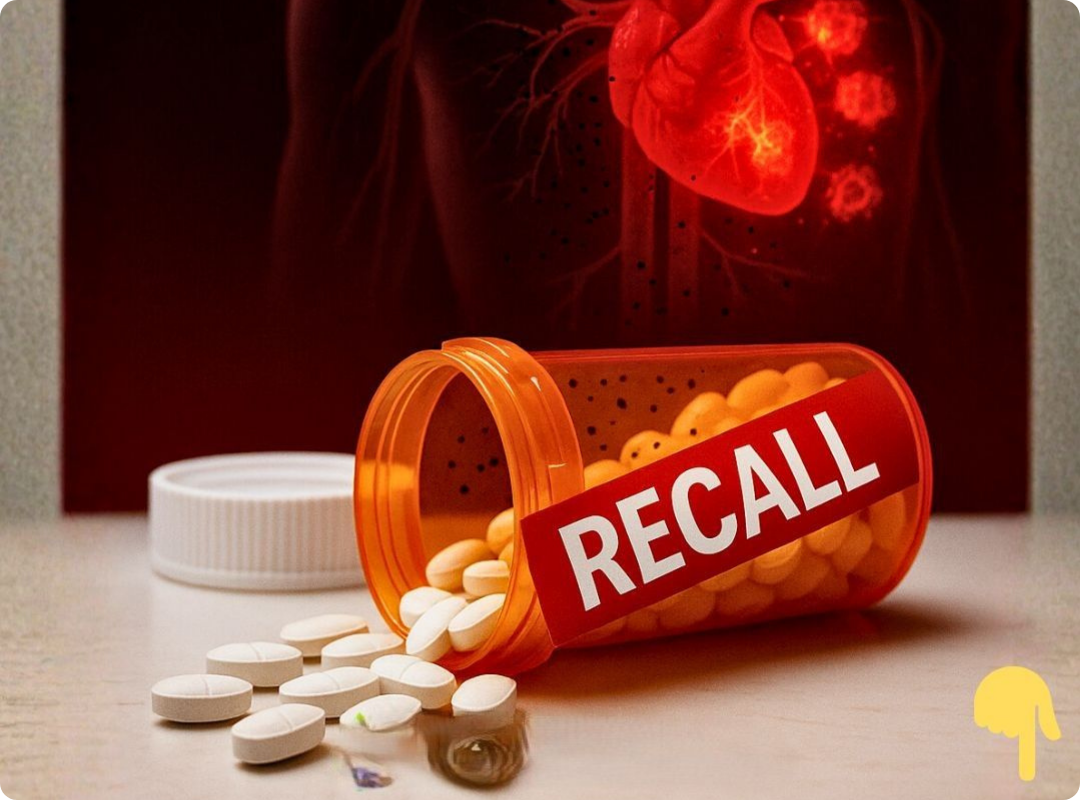
A sweeping recall is underway across the United States involving nearly 590,000 bottles of the widely used blood pressure drug prazosin hydrochloride, following the discovery of a potentially carcinogenic impurity.
The contaminant, identified as N-nitroso Prazosin impurity C—a nitrosamine compound—was found at levels above the acceptable daily intake threshold established by the U.S. Food and Drug Administration (FDA). The recall was initiated by Teva Pharmaceuticals USA on October 7, 2025, with drug distributor Amerisource Health Services issuing its own recall on October 26, 2025. The affected products were distributed nationwide.
Key Facts at a Glance
- Medication Recalled: Prazosin hydrochloride in 1 mg, 2 mg, and 5 mg strengths
- Total Bottles Affected: Approximately 589,844 across 55 lots
- 181,659 bottles of 1 mg
- 291,512 bottles of 2 mg
- 107,673 bottles of 5 mg
- Capsules per Bottle: Ranging from 100 to 1,000
- FDA Recall Classification: Class II — indicates that use of the product might cause temporary or medically reversible adverse health effects, with only a remote risk of serious harm
- Primary Risk: Long-term exposure to elevated levels of nitrosamines may increase cancer risk
Understanding the Contaminant
The impurity, N-nitroso Prazosin impurity C, belongs to the nitrosamine family—chemicals that can unintentionally form during drug manufacturing or storage if reaction conditions aren’t rigorously controlled.
While trace amounts of nitrosamines occur naturally in some foods (like cured meats), drinking water, and even air, regulatory agencies set strict limits for pharmaceuticals due to their potential carcinogenicity with prolonged, high-level exposure. In this case, the detected levels exceeded those safety thresholds, prompting immediate regulatory action.
The FDA stresses that the risk is tied to chronic exposure—not a single dose—and that short-term use is unlikely to cause harm. Nevertheless, patient safety remains the top priority.
Why This Medication Matters
Prazosin hydrochloride is a critical treatment for hypertension (high blood pressure). By relaxing blood vessels, it helps lower blood pressure and reduces the risk of life-threatening complications such as stroke, heart attack, and kidney failure.
Additionally, it is commonly prescribed off-label to help manage PTSD-related nightmares and sleep disturbances, making it a vital therapy for veterans and trauma survivors.
Guidance for Patients & Caregivers
Do not stop taking your medication abruptly. Suddenly discontinuing prazosin can lead to dangerous spikes in blood pressure or worsen PTSD symptoms.
Instead:
- Check your prescription bottle against the lot numbers listed in the official FDA recall notice.
- Contact your pharmacist to confirm whether your medication is part of the recall.
- Consult your doctor or healthcare provider before making any changes. They may prescribe an alternative from a non-affected batch or switch you to a different antihypertensive medication.
- If you’re unsure, do not discard your medication until you’ve received professional advice.
Healthcare providers are urged to review their inventory, notify affected patients, and coordinate safe replacements.
Staying Informed and Proactive
While this recall is serious, it also reflects the robustness of the U.S. drug safety system—where ongoing testing and transparency help catch issues before they cause widespread harm.
For those managing hypertension or PTSD, this moment underscores the importance of:
- Regular communication with your care team
- Using FDA-approved blood pressure monitors at home
- Tracking medication adherence and side effects
- Exploring complementary support like stress reduction, diet, and exercise
This recall is not a reason for panic—but for prompt, informed action. Thanks to vigilant quality control and regulatory oversight, the issue was identified early. By working closely with your healthcare provider, you can ensure your treatment remains both effective and safe.
Stay calm, stay informed, and never stop advocating for your health.