Butter—the rich, creamy cornerstone of toast, baking, and savory sauces—is more than just a kitchen staple. It’s a small luxury that makes everyday meals feel special. But if you’ve ever wondered whether it’s safe to keep your butter out on the counter instead of tucked away in the fridge, you’re not alone.
The good news? Yes, it’s perfectly safe—when stored properly. And with a few simple guidelines, you can enjoy soft, spreadable butter anytime without worry.
Why Butter Is Safe at Room Temperature
Unlike many dairy products, butter is uniquely suited for countertop storage—thanks to its composition. Made primarily from milk fat (about 80%), it contains very little water. Since bacteria need moisture to grow, butter’s low water content creates an environment where harmful microbes struggle to thrive.
This natural resistance to spoilage is why, for generations, households have kept butter in covered dishes on the counter—especially in cooler climates or during milder seasons.
How Long Can Butter Stay Out?
Under ideal conditions, butter can safely sit at room temperature for up to one week. However, this depends on your kitchen’s climate:
- Below 70°F (21°C): Up to 7 days
- Warmer temperatures: Reduce to 2–3 days
To maximize freshness and safety, always store butter in a covered container—this shields it from airborne odors, dust, and light, all of which can cause it to turn rancid.
Best Ways to Store Butter on the Counter
1. Use a Covered Butter Dish
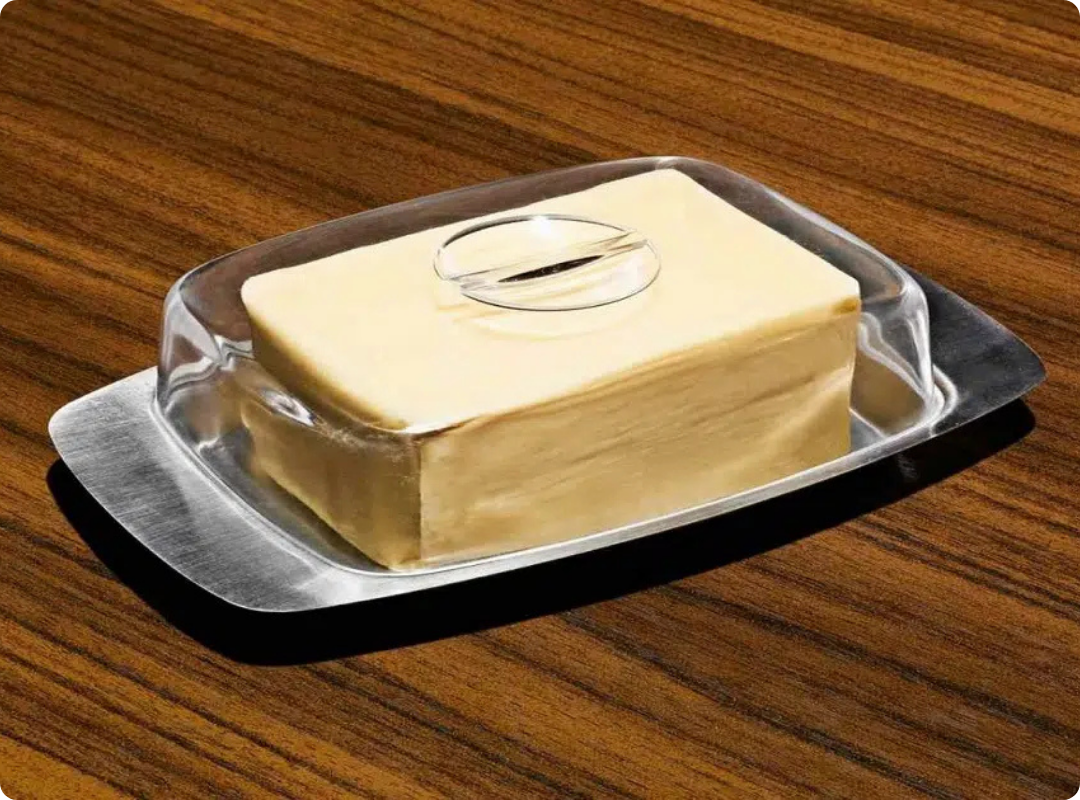
A classic ceramic or glass butter dish with a lid keeps butter protected while keeping it within easy reach for spreading.
2. Choose a Cool, Dry Spot
Keep your butter away from direct sunlight, stovetops, or warm appliances. A pantry shelf or a shaded corner of the counter works best.
3. Try a Butter Bell (or Butter Crock)
This traditional French tool uses a small amount of water in the base to create an airtight seal around an inverted butter plug. The water barrier blocks oxygen and odors, preserving flavor and texture beautifully.
Need Soft Butter in a Hurry? Try These Tricks
If your butter’s been refrigerated and you’re short on time, skip the risky microwave gamble. Instead, try these gentle methods:
- Grate It: Run cold butter over a box grater. The fine shreds soften in minutes at room temperature—perfect for baking or spreading.
- Microwave Sparingly: If you must use the microwave, cut butter into small cubes and heat on low power in 5-second bursts, checking between intervals. Stop before it melts!
How to Tell If Butter Has Gone Bad
Even with proper storage, butter won’t last forever. Watch for these signs of spoilage:
- Rancid or sour smell (fresh butter should smell mildly sweet and creamy)
- Off or bitter taste
- Visible mold, discoloration, or oily separation
If you notice any of these, it’s time to toss it. When in doubt, trust your senses—your nose and tongue are excellent freshness detectors.
Leaving butter on the counter isn’t just convenient—it’s a time-honored practice rooted in both tradition and food science. With the right storage and a little awareness, you can enjoy perfectly soft, flavorful butter whenever inspiration (or hunger) strikes—no fridge fumbling required.
So go ahead: give your butter a place of honor on the counter. Just keep it covered, cool, and within its safe window—and savor every creamy, golden bite.