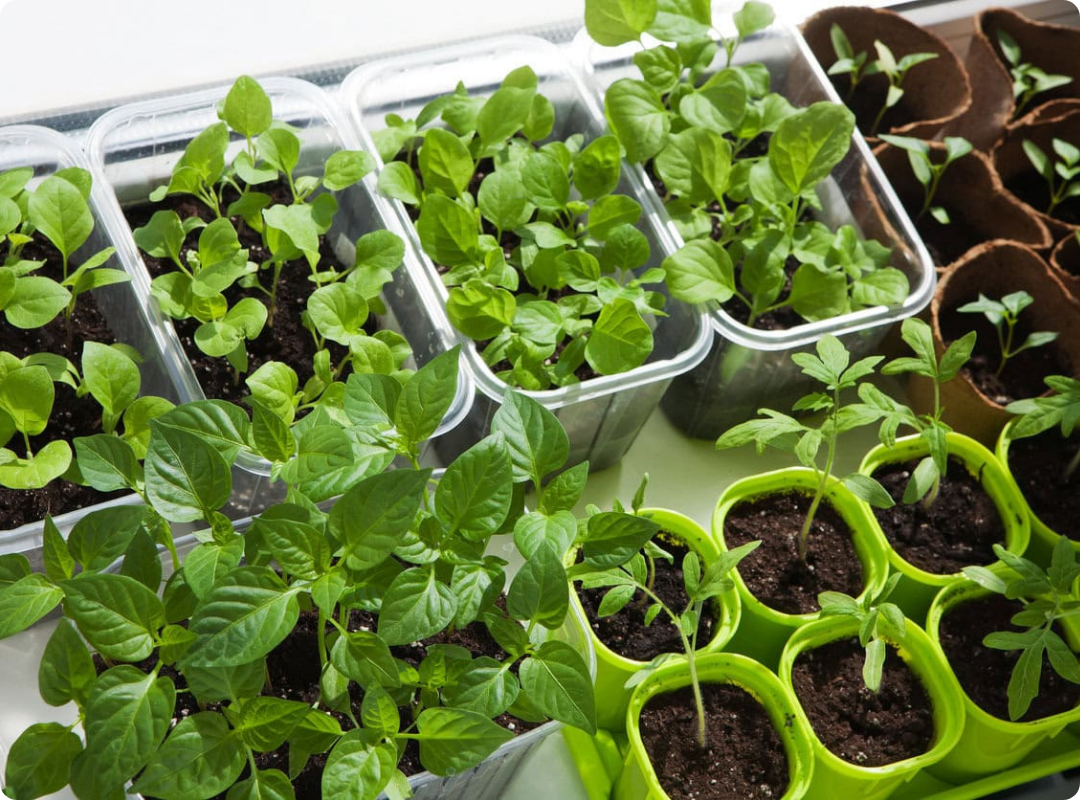
For years, I assumed January was the quietest month in the gardening calendar—a time to rest, dream over seed catalogs, and wait for spring. But after diving into indoor seed starting and comparing notes with fellow gardeners from Alaska to Florida, I realized something exciting: January isn’t downtime—it’s prep time.
With the right crops and timing, you can kickstart your growing season indoors, no matter your climate. The secret? It’s not just about your USDA hardiness zone—it’s about your last frost date, your available light, and choosing plants that truly benefit from an early start.
Let’s break down exactly what works—and what doesn’t—in every zone.
Why Start Seeds Indoors in January?
Indoor seed starting means sowing seeds in trays or pots inside your home—usually under grow lights—and nurturing them until outdoor conditions are safe for transplanting. Unlike unheated greenhouses (which still rely on ambient temperatures), your home offers stable warmth and controlled lighting, making it ideal for delicate seedlings during deep winter.
While January may feel dormant outside, it’s actually prime time to give slow-growing or cold-tolerant crops a head start—especially if you live in colder regions where the outdoor growing window is short.
Zones 1–3: Cold Climates, Smart Starts
In places like northern Minnesota or interior Alaska, winter stretches long—but that doesn’t mean your garden has to sleep. My aunt, a Zone 3 gardener, learned through trial and error that only certain crops thrive with a January start.
✅ What Works:
- Onions (from seed)
Sown in shallow trays under grow lights, onions grow slowly but steadily indoors. Keep soil lightly moist and provide strong light—they’ll look grassy at first, which is perfectly normal. - Leeks
With a 120+ day maturity window, leeks need every advantage. An early start ensures harvestable size by fall. Trim tall tops slightly to encourage sturdier growth. - Cabbage
Cold-hardy and easy to transplant, cabbage benefits from cool indoor temps and bright light to stay compact (no leggy stems!). - Kale
Forgiving and resilient, kale bounces back beautifully after transplanting. Start in small pots and move outdoors as soon as daytime temps stay above freezing. Keep soil consistently moist—drying out even briefly can stall growth.
❌ What Doesn’t Work:
- Carrots & turnips: Root crops hate transplanting; their taproots get distorted.
- Tomatoes: They grow too fast indoors, become leggy, and are hard to manage this early. Save them for late February or March.
Zones 4–5: Balanced Beginnings
In zones like upstate New York or the northern Midwest, January is the sweet spot for planning—not panic-starting everything. My friend Stephanie (Zone 4b) focuses only on crops that genuinely gain from an early launch.
✅ Top Picks:
- Lettuce
Fast-growing and transplant-friendly, lettuce started in late January yields early spring salads. Sow in small batches every 2 weeks for continuous harvests. - Spinach
Though often direct-sown, a few indoor starts hedge against unpredictable spring weather. Keep seedlings cool and moist, and harden off gradually—spinach is sensitive to sudden temperature shifts. - Kale
A repeat winner! Give seedlings space and strong light to prevent crowding and promote sturdy stems. - Broccoli
Starting early helps broccoli form tight heads before summer heat arrives. Avoid heavy feeding early on—steady, moderate growth is key.
❌ Avoid Indoors:
- Carrots & beets: Like in colder zones, root crops suffer when transplanted.
- Tomatoes: Still too early—they’ll outgrow their space and weaken without intense light and heat.
Zones 6–7: Strategic Starts for Mild Winters
In my own Zone 7 garden (think Virginia or Oregon), winters are milder but still unpredictable. I’ve learned that starting too much too soon leads to overcrowded windowsills and stressed seedlings. Instead, I focus on slow-maturing crops that need the extra lead time.
✅ Worth Starting in January:
- Peppers
My #1 January priority! Peppers germinate slowly and grow at a snail’s pace early on. Starting 8–10 weeks before last frost makes a huge difference. Pro tip: Use a seedling heat mat—bottom warmth boosts germination speed and uniformity. - Celery
Often overlooked, celery needs 100–130 days to mature. A January start ensures harvestable stalks by late summer. Keep soil consistently moist and provide plenty of light to prevent spindly growth.
(Note: While the original text cuts off at “Celery,” these two crops are the classic January starters for Zones 6–7 due to their long growing seasons.)
❌ Skip for Now:
- Warm-season crops like tomatoes, eggplant, or cucumbers—they’ll be ready by late February or March.
- Fast-growing greens like arugula or radishes—better direct-sown in early spring.
Final Tips for January Success
- Know your last frost date—this matters more than your zone number.
- Use grow lights: Natural January light is too weak for strong seedlings.
- Don’t overwater: Cool indoor temps slow evaporation—let the top inch of soil dry slightly between waterings.
- Label everything: It’s easy to forget what’s what after weeks of growth!
The Takeaway
January isn’t the end of the gardening year—it’s the quiet beginning of the next. By starting just a few well-chosen crops indoors, you’ll gain weeks of growing time, earlier harvests, and the deep satisfaction of watching life emerge in the heart of winter. So dust off those seed trays, plug in a grow light, and sow a little hope this January. Your future garden will thank you.