Discovering a lump on your neck, upper back, or just behind your ear can be unsettling—especially if it appears unexpectedly or feels unusual. While many such lumps are benign and resolve on their own, others may indicate an underlying condition that warrants medical attention. Understanding the possible causes can help you respond appropriately, care for the area safely, and know when it’s time to consult a healthcare professional.
This guide explores the most common explanation for these lumps—particularly epidermoid cysts—along with their symptoms, at-home care options, potential risks, and available medical treatments.
What Is an Epidermoid Cyst?
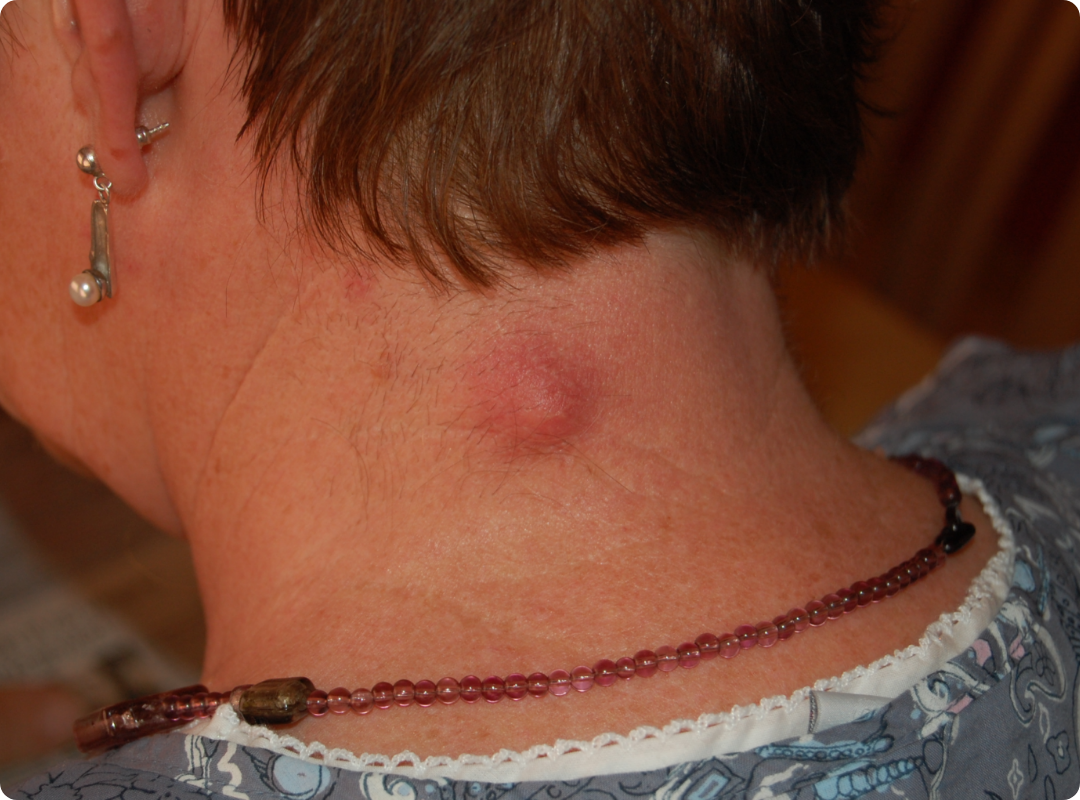
An epidermoid cyst is a non-cancerous (benign) sac that forms just beneath the skin. It’s one of the most frequent types of skin lumps and typically appears on the face, neck, back, or behind the ears—areas rich in hair follicles.
These cysts develop when skin cells that would normally shed become trapped under the skin’s surface. Over time, these cells multiply and create a pocket filled with keratin, a thick, yellowish protein also found in hair and nails.
Most epidermoid cysts are slow-growing, painless, and harmless. However, they can become infected or inflamed, leading to redness, tenderness, swelling, or even foul-smelling discharge.
Common Causes and Risk Factors
Epidermoid cysts often arise due to:
- Blocked hair follicles or pores
- Minor skin trauma (like a scrape or cut)
- Chronic skin conditions such as acne
- Rare genetic disorders (e.g., Gardner syndrome)
They’re most prevalent in adults—especially men—and are uncommon in children.
Typical signs of a benign cyst include:
- A small, round lump beneath the skin
- Smooth or slightly firm texture
- Skin-colored or pale appearance
- No pain unless irritated or infected
If infection occurs, watch for:
- Redness and warmth
- Increased swelling or tenderness
- Pus or thick, unpleasant-smelling drainage
How Is It Diagnosed?
In most cases, a healthcare provider can identify an epidermoid cyst through a simple physical exam. If the lump looks unusual—irregular, rapidly growing, or unusually hard—further evaluation may be needed, such as:
- Ultrasound or MRI to assess depth and structure
- Biopsy to rule out other growths, including rare skin cancers
At-Home Care: What Might Help (and What Won’t)
While no home remedy can eliminate a cyst, some natural approaches may ease mild inflammation or discomfort—provided the lump is confirmed benign and not infected.
⚠️ Important: Never attempt to squeeze, lance, or drain a cyst yourself. This can lead to infection, scarring, or worsening inflammation.
Supportive home options include:
- Warm Compress
How: Apply a warm (not hot) damp cloth for 10–15 minutes, 3–4 times daily.
Why: Promotes circulation and may encourage natural drainage if the cyst is related to a blocked gland. - Aloe Vera Gel
How: Use pure, fresh aloe gel applied directly twice a day.
Why: Soothes irritation and supports gentle healing. - Turmeric Paste
How: Mix turmeric powder with water or coconut oil; apply for 30–60 minutes, then rinse.
Why: Curcumin, its active compound, has natural anti-inflammatory properties. - Diluted Tea Tree Oil
How: Mix a few drops with a carrier oil (like jojoba or coconut); apply once or twice daily.
Why: Offers antiseptic and calming effects—but always dilute to avoid skin irritation. - Castor Oil with Warm Compress
How: Apply oil to the area, cover with a warm cloth, and leave for 15–30 minutes daily.
Why: Traditionally used to soften tissue and reduce swelling. - Apple Cider Vinegar (Use with Caution)
How: Dilute 1:1 with water, apply briefly with a cotton ball, then rinse.
Why: Believed to have antibacterial qualities—but can irritate sensitive skin. Discontinue if redness occurs.
When Home Care Isn’t Enough
If a healthcare provider confirms the lump is harmless, you can support healing by:
- Keeping the area clean and dry
- Avoiding picking, scratching, or squeezing
- Using warm compresses for comfort
- Taking over-the-counter pain relievers (like ibuprofen) if needed
However, seek prompt medical care if you notice:
- Rapid growth or changes in shape/color
- Hardness or immobility (the lump doesn’t move when touched)
- Signs of infection (increasing redness, warmth, pus)
- Systemic symptoms like fever, fatigue, or unexplained weight loss
Risks of DIY Treatments
Attempting to pop or drain a cyst at home carries real dangers:
- Bacterial infection
- Permanent scarring
- Worsened inflammation or recurrence
Additionally, even natural ingredients like essential oils or vinegar can trigger allergic reactions or chemical burns. Always patch-test first—and stop immediately if you feel burning, itching, or increased redness.
When to See a Doctor: Key Warning Signs
Consult a healthcare professional if your lump:
✅ Grows quickly
✅ Becomes painful or rock-hard
✅ Feels fixed in place (doesn’t move under the skin)
✅ Shows signs of infection
✅ Is accompanied by fever, night sweats, or weight loss
Early evaluation ensures accurate diagnosis and appropriate treatment—whether that’s monitoring, antibiotics for infection, or minor surgical removal if necessary.
While a lump on your neck, back, or behind your ear is often nothing serious, it’s always wise to pay attention to its behavior. Most epidermoid cysts are harmless, but your body’s signals—pain, growth, or infection—should never be ignored. When in doubt, let a medical professional take a look. After all, peace of mind is just as important as physical health.