
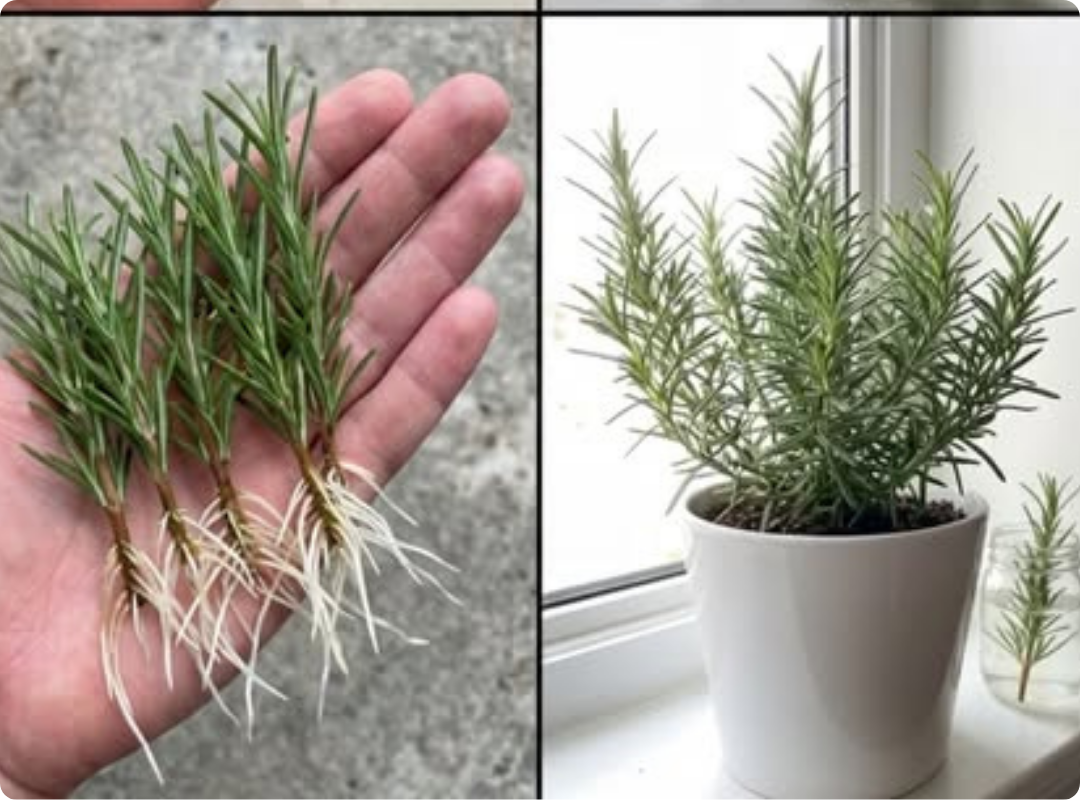
Rosemary is more than just a fragrant culinary herb—it’s a resilient, evergreen perennial that thrives with minimal care. And the best part? You can easily multiply your supply without seeds, soil, or rooting hormone.
With just a few stem cuttings and a glass of water, you can grow new rosemary plants that are genetically identical to your parent plant. This water-propagation method is not only beginner-friendly—it lets you watch roots develop in real time, ensuring success before you ever touch soil.
Here’s how to do it, step by step.
Why Propagate Rosemary in Water?
- No special tools needed—just a jar and clean water
- Visible progress: See roots form within weeks
- Higher success rate than seed propagation (rosemary seeds have low germination rates)
- Faster harvest: New plants yield usable sprigs in 6–8 weeks after potting
- Cost-free: Turn one plant into dozens
Step-by-Step Guide to Water Propagation
Step 1: Take Healthy Cuttings
Choose a mature, disease-free rosemary plant. In the early morning (when stems are most hydrated), snip 4–6 inch stems from the tips of branches.
Look for semi-hardwood stems—those that are firm but still flexible, not soft and green (new growth) or brittle and brown (old wood). These strike the perfect balance for rooting.
Step 2: Prepare the Cuttings
Using clean scissors or pruners, remove all leaves from the bottom 2 inches of each stem. Leave the top half leafy—this foliage will fuel root development through photosynthesis.
Trim the bottom end at a 45-degree angle to increase surface area for water absorption.
Step 3: Place in Water
Fill a clear glass jar or vase with room-temperature water. Submerge the bare stems, ensuring no leaves are underwater (submerged foliage rots and clouds the water).
Place the jar in bright, indirect light—near an east- or north-facing window is ideal. Avoid direct sun, which can overheat the water and encourage algae.
Step 4: Maintain Clean Water
Change the water every 5–7 days to prevent bacterial growth and keep oxygen levels high. Rinse the jar and gently swish the cuttings to dislodge any slime.
Within 2–4 weeks, you’ll see white, fuzzy roots emerging from the leaf nodes. Let them grow until they’re 2–3 inches long—this ensures strong establishment in soil.
Step 5: Pot Into Soil
Once roots are sufficiently developed, transplant each cutting into a small pot filled with well-draining potting mix (a cactus or herb blend works perfectly).
Water thoroughly after planting, then allow the top inch of soil to dry out between waterings. Place pots in a sunny spot—rosemary needs 6+ hours of direct sunlight daily to thrive.
What to Expect After Potting
- Weeks 1–2: Roots acclimate; new growth may pause.
- Weeks 3–6: Fresh shoots appear; plant becomes bushier.
- Weeks 6–8: You can begin harvesting small sprigs for cooking—just never take more than ⅓ of the plant at once.
Your new rosemary will be ready for outdoor planting (in zones 7–10) or year-round indoor growing.
Pro Tips for Success
- Use filtered or distilled water if your tap water is heavily chlorinated.
- Label cuttings with dates to track progress.
- Group multiple cuttings in one jar for a lush “herb bouquet” effect.
- Avoid overcrowding—give each stem space to breathe.
Propagating rosemary in water is more than a gardening hack—it’s a quiet act of abundance. With patience and a sunny windowsill, you can turn kitchen scraps into a thriving herb garden, one rooted cutting at a time.
So next time you snip rosemary for dinner, save a few stems. In just a few weeks, you’ll have a whole new plant—ready to season meals, scent your home, and remind you of nature’s quiet generosity