Over 80% of American adults express dissatisfaction with the color of their teeth, citing yellowing and staining as common concerns, according to recent dental health surveys. In response, many turn to at-home solutions—some conventional, others unconventional. Among the latter is a viral DIY paste made from kitchen staples like crushed eggshells, coffee grounds, baking soda, salt, ginger, banana peel, and toothpaste. While anecdotal reports claim visible brightening in minutes, it’s important to evaluate what this remedy may actually do—and what risks it might pose.
This article explores the science behind each ingredient, realistic expectations, safety considerations, and practical guidance for those considering this approach.
Why Tooth Discoloration Occurs
Tooth discoloration is influenced by multiple factors:
- Natural aging: Enamel thins over time, revealing the darker dentin underneath.
- Dietary habits: Regular consumption of coffee, tea, red wine, and acidic foods contributes to surface (extrinsic) stains.
- Lifestyle factors: Smoking, certain medications, and reduced saliva flow (due to stress or dehydration) can accelerate staining and increase plaque buildup.
- Oral hygiene limitations: Even diligent brushing may not fully prevent or remove deep-set stains.
Many people report feeling self-conscious about their smile—avoiding photos, speaking less openly, or investing in commercial whitening products that sometimes cause sensitivity or deliver inconsistent results.
How the DIY Paste Is Said to Work
The remedy combines several household ingredients, each with proposed oral benefits:
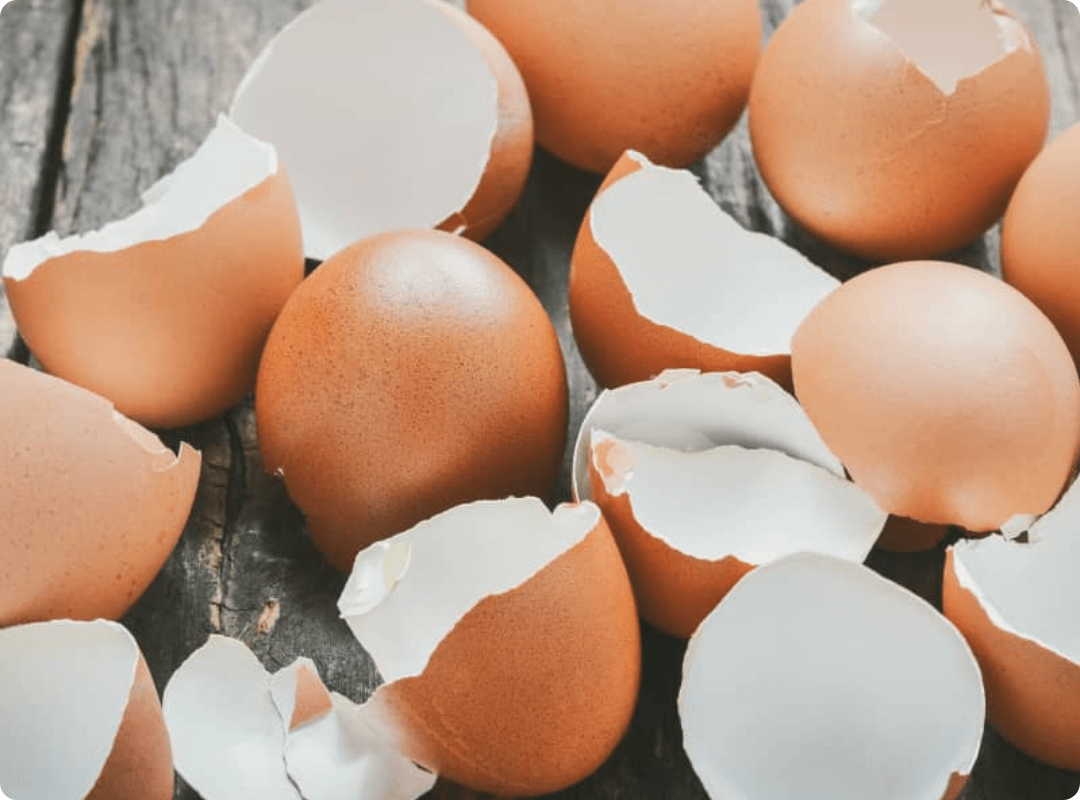
- Crushed eggshells – A source of bioavailable calcium, which may support enamel remineralization.
- Coffee grounds – Provide mild abrasion to help remove surface stains; contain tannins that may bind to discoloration.
- Baking soda – A well-documented mild abrasive that safely polishes enamel and neutralizes acids.
- Salt – Offers antibacterial properties and gentle exfoliation.
- Ginger – Contains anti-inflammatory compounds that may help reduce gum irritation.
- Banana peel – Rich in potassium, magnesium, and manganese, which some believe support enamel strength.
- Fluoride toothpaste – Provides a familiar base with cavity-fighting fluoride.
When combined into a paste and applied gently, proponents suggest this mixture can polish teeth, lift superficial stains, and enhance overall brightness without harsh chemicals.
What the Evidence Suggests
While no clinical studies specifically test this exact blend, individual components have documented properties:
- Baking soda is widely accepted by dental professionals as a safe, effective polishing agent when used occasionally.
- Calcium-rich substances like eggshells may contribute to remineralization, though efficacy depends on particle size and bioavailability.
- Mild abrasives (like finely ground coffee or salt) can remove extrinsic stains—but overuse risks enamel wear.
- Natural antimicrobials (ginger, salt) may support oral hygiene but are not substitutes for brushing or flossing.
Importantly, this method targets surface stains only. It will not alter intrinsic discoloration caused by trauma, medication, or genetics.
Reported Experiences
Some users report positive results:
- Abby, a mother, noted reduced pregnancy-related staining after one use.
- Sarah, a 38-year-old teacher, observed noticeable brightening after two weeks of twice-weekly use, with no sensitivity.
These outcomes align with the expected effects of gentle mechanical polishing—though individual results vary based on enamel condition, stain type, and technique.
Step-by-Step Preparation & Safe Use Guidelines
Ingredients (for 4 uses):
- ½ tsp fine salt
- ½ tsp baking soda
- ½ tsp finely ground coffee grounds
- 1 tsp freshly grated ginger
- 1 clean, boiled, dried, and finely crushed eggshell
- 1 tbsp fluoride toothpaste
- 1 tbsp inner banana peel scrapings
- 1 tsp water (as needed for consistency)
Instructions:
- Boil an egg, cool, remove shell, dry thoroughly, and crush into a fine powder.
- Combine all ingredients in a small bowl or blender to form a thick paste.
- Using a soft-bristled toothbrush, apply gently to teeth for 1–2 minutes, focusing on stained areas.
- Rinse thoroughly with water.
- Use no more than 1–2 times per week to avoid enamel abrasion.
Storage: Keep in a sealed container in the refrigerator for up to 7 days.
Safety Considerations
- Consult your dentist before trying, especially if you have sensitive teeth, gum disease, dental restorations, or are pregnant.
- Ensure eggshells are boiled and fully dried to eliminate risk of bacterial contamination.
- Avoid daily use—even natural abrasives can wear down enamel over time.
- Discontinue immediately if you experience pain, increased sensitivity, or gum irritation.
- This remedy is not a substitute for professional dental care, regular cleanings, or treatment of underlying oral health issues.
Comparison to Common Alternatives
|
Method
|
Whitening Speed
|
Enamel Safety
|
Cost
|
Notes
|
|---|---|---|---|---|
|
Egg-Coffee Paste
|
Immediate polish; gradual stain reduction
|
High (if used sparingly)
|
Very low
|
Targets surface stains only
|
|
Whitening Strips
|
Days to weeks
|
Moderate (sensitivity risk)
|
Moderate
|
May cause uneven results
|
|
Baking Soda Alone
|
Slow
|
Moderate (abrasive if overused)
|
Low
|
Lacks remineralizing agents
|
|
Professional Bleaching
|
Fast, dramatic
|
High (under supervision)
|
High
|
Best for deep or intrinsic stains
|
|
Charcoal Powders
|
Variable
|
Low–Moderate (highly abrasive)
|
Moderate
|
Not recommended by many dentists
|
Realistic Expectations
- First use: Enhanced smoothness and freshness due to polishing.
- 1–2 weeks: Noticeable reduction in surface stains with consistent, gentle use.
- 4+ weeks: Improved overall brightness when combined with good oral hygiene.
- Long-term: Maintenance requires moderation—overuse negates benefits.
Results depend on individual factors, including diet, brushing habits, and enamel integrity.
While the egg-and-coffee whitening paste may offer a low-cost, accessible option for mild surface stain removal, it should be approached with caution and realistic expectations. Its potential lies in gentle mechanical polishing and mineral support—not dramatic bleaching.
For lasting oral health and significant whitening, professional consultation remains essential. However, for those seeking a natural, occasional polish, this method—when used correctly and infrequently—may complement a comprehensive oral care routine.
Always prioritize enamel protection over rapid whitening. A healthy smile begins with strong teeth—not just bright ones.