
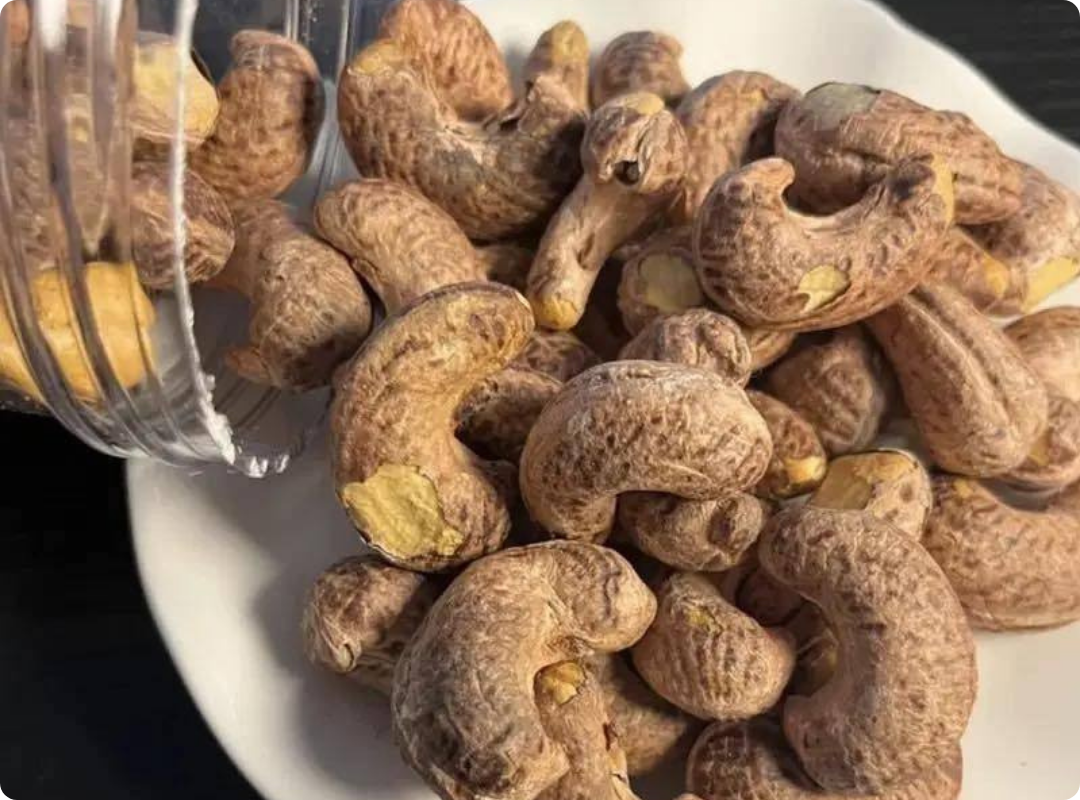
Cashews aren’t just creamy, craveable, and delicious—they’re also nutritional powerhouses packed with essential minerals, healthy fats, and plant-based goodness. Often overlooked in favor of almonds or walnuts, cashews quietly deliver a wide range of health benefits that support everything from your heart to your skin, muscles, and metabolism.
Whether you enjoy them raw, roasted, or blended into silky cashew butter, these humble nuts offer far more than just satisfying crunch. Let’s explore what doctors and nutrition science say about making cashews a regular part of your diet.
Nutritional Snapshot: Why Cashews Pack a Punch
According to the U.S. Department of Agriculture, 100 grams (about ¾ cup) of raw, unsalted cashews provides:
- Calories: 553
- Protein: 18.2 g
- Healthy fats: 43.8 g (mostly monounsaturated and polyunsaturated)
- Carbohydrates: 30.2 g
- Fiber: 3.3 g
- Magnesium: 292 mg (73% of daily needs)
- Copper: 2.2 mg (244% of daily needs!)
- Iron: 6.68 mg
- Zinc: 5.78 mg
- Phosphorus: 593 mg
- Potassium: 660 mg
- Manganese: 1.6 mg
- Selenium: 19.9 mcg
These nutrients play vital roles in energy production, nerve function, bone health, and antioxidant defense—making cashews far more than just a snack.
7 Evidence-Based Benefits of Cashews
1. Supports Heart Health (With Nuance)
Cashews are rich in heart-friendly monounsaturated fats. A study in the Journal of Nutrition found that regular cashew consumption was linked to higher HDL (“good”) cholesterol, lower blood pressure, and reduced LDL oxidation.
However, a 2022 systematic review in Current Developments in Nutrition noted mixed results—while cashews consistently helped lower triglycerides and blood pressure, their effect on total or LDL cholesterol wasn’t always significant.
The takeaway? Cashews are still a heart-healthy choice—but they work best as part of a balanced diet, not a magic fix.
2. A Weight-Loss-Friendly Snack
Despite being calorie-dense, cashews can actually support weight management when eaten in moderation. Their blend of protein, fiber, and healthy fats promotes satiety, helping you feel full longer and reducing impulsive snacking. Plus, some research suggests that not all the fat in whole nuts is fully absorbed—meaning you may get fewer calories than listed.
3. Strengthens Bones and Muscles
Cashews are one of the best nut sources of magnesium—a mineral essential for muscle contraction, nerve signaling, and bone mineral density. Just one serving delivers nearly three-quarters of your daily magnesium needs. This makes cashews especially valuable for older adults or those at risk of osteoporosis.
4. Helps Stabilize Blood Sugar
Thanks to their fiber and healthy fat content, cashews slow the absorption of sugar into the bloodstream, preventing spikes and crashes. A study in the Journal of Chiropractic Medicine suggested that regular nut consumption—including cashews—may lower the risk of type 2 diabetes. While more research is needed, their low glycemic impact makes them a smart choice for metabolic health.
5. Nourishes Skin from Within
Cashews contain vitamin E, zinc, and selenium—all powerful antioxidants that protect skin cells from oxidative stress. Vitamin E supports skin elasticity, while zinc aids in wound healing and collagen production. Eat them regularly, and you’re feeding your skin the nutrients it needs to stay radiant and resilient.
6. Protects Your Vision
Few people know this, but cashews contain lutein and zeaxanthin—two carotenoids that accumulate in the retina. These compounds act like internal sunglasses, filtering harmful blue light and neutralizing free radicals. Over time, this may help reduce the risk of age-related macular degeneration and cataracts.
7. Promotes a Healthy Gut
The fiber in cashews doesn’t just prevent constipation—it also feeds beneficial gut bacteria. A thriving microbiome supports not only digestion but also immune function, mood regulation, and even weight management. Think of cashews as fuel for your inner ecosystem.
A Note on Moderation & Preparation
While cashews are incredibly nutritious, they’re also energy-dense. Stick to a small handful (about 1 oz or 18 nuts) per day to reap benefits without overdoing calories.
Opt for raw or dry-roasted varieties without added salt, sugar, or hydrogenated oils. And if you’re watching sodium, always choose unsalted.
Cashews are far more than a tasty snack—they’re a nutrient-dense superfood with quiet, science-backed superpowers. From supporting your heart and metabolism to glowing skin and sharp vision, these creamy nuts prove that sometimes, the most nourishing foods come in the simplest packages. So go ahead—add a handful to your oatmeal, blend them into sauces, or enjoy them solo. Your body will thank you.