A blood clot—medically termed thrombosis—isn’t just a health concern. It’s a medical emergency in the making. While clotting is essential to stop bleeding after an injury, an abnormal clot forming inside a vein or artery can silently travel, block critical blood flow, and trigger life-threatening events like pulmonary embolism (PE) or stroke.
The good news? Your body often sends clear, early warnings—if you know what to look for. Recognizing these signs and acting swiftly can be the difference between full recovery and permanent damage… or worse.
🩺 What Is a Blood Clot—and Why It Matters
Blood clots form when platelets and fibrin (a protein) clump together to seal a wound. But when they develop without injury—often due to prolonged immobility, surgery, genetic conditions, or certain medications—they become dangerous.
Two primary types:
- Deep Vein Thrombosis (DVT): A clot in a deep vein—usually the leg or pelvis.
- Pulmonary Embolism (PE): A piece of a DVT breaks loose and lodges in the lungs. This is fatal in 25% of cases—often within minutes.
💡 Key insight: Up to 50% of DVT cases show no symptoms—but when signs do appear, they’re rarely subtle. Listen to your body.
⚠️ 7 Critical Warning Signs—Don’t Dismiss These
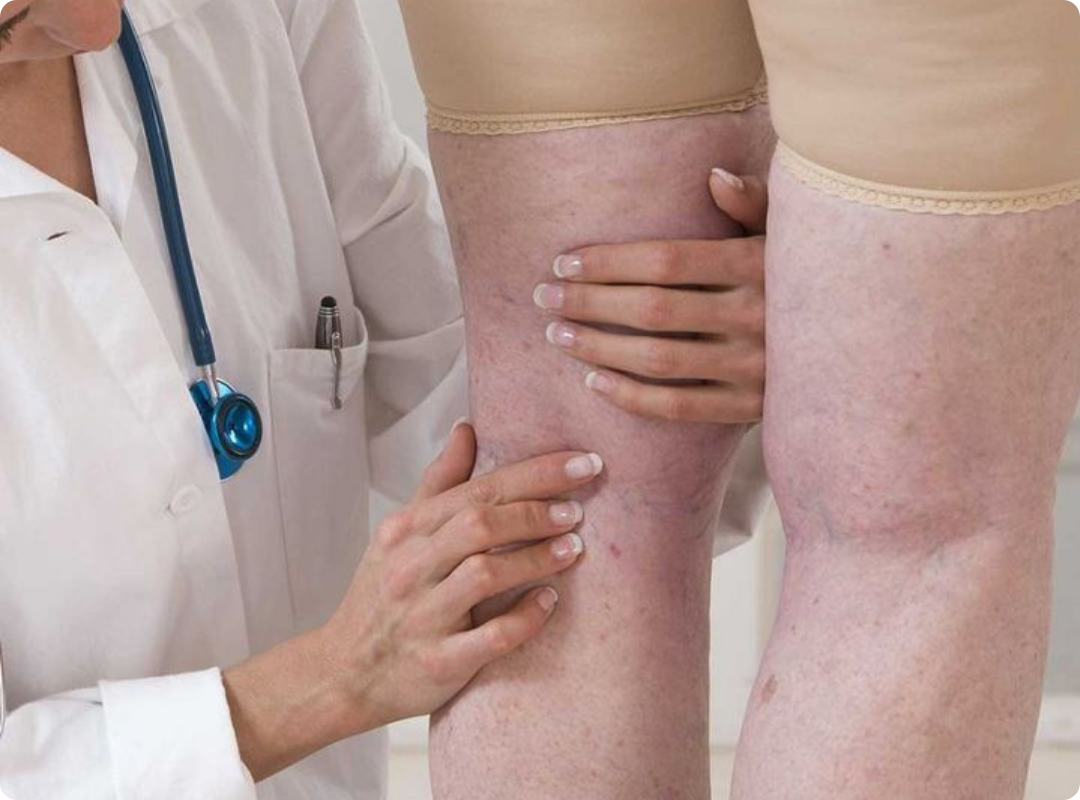
1. Sudden, One-Sided Swelling
→ Where? Usually the calf, thigh, or entire leg (rarely both legs).
→ Why? A clot blocks venous return, causing fluid to pool.
→ Red flag: Swelling that appears overnight or worsens with standing/walking.
2. Persistent, Deep Pain or Tenderness
→ Feels like? A charley horse that won’t ease—or a “cramp” that lingers for days. Pain often starts in the calf and radiates upward.
→ Clue: Pain intensifies when standing or flexing the foot upward (Homan’s sign—though not always reliable).
3. Skin Discoloration: Red, Blue, or Purple
→ Look for: A patch of skin that’s reddened, bruised, or bluish—especially if it’s warm and tender.
→ Science: Poor oxygen delivery alters skin tone; inflammation raises temperature.
4. Unexplained Warmth
→ Test it: Compare the temperature of both legs. A noticeably warmer area (even without redness) signals inflammation from a clot.
→ Note: Warmth alone is rare—but combined with pain/swelling, it’s highly suggestive.
5. Visible Surface Veins (Distended Superficial Veins)
→ What you’ll see: New, rope-like veins bulging near the skin’s surface—often alongside swelling.
→ Why? Blood reroutes around the clot, overloading smaller veins.
6. Shortness of Breath or Chest Pain (Sign of PE)
→ Emergency signs:
- Sudden breathlessness (even at rest)
- Sharp chest pain that worsens with deep breaths
- Rapid heart rate, lightheadedness, or coughing (sometimes with blood)
→ Act immediately: Call 911. PE can strike without prior leg symptoms.
7. Leg Fatigue or Heaviness
→ Often overlooked: A “weighted” or achy feeling in one leg—like wearing a lead boot.
→ Why it matters: Reduced circulation makes muscles work harder.
🆘 What to Do If You Notice These Signs
- Don’t wait. Blood clots escalate quickly.
- Call your doctor or go to urgent care/ER immediately. Say: “I’m concerned about a possible blood clot.”
- Avoid massaging the area—this can dislodge a clot.
- Stay hydrated and elevate the leg only if advised by a professional (improper elevation can worsen some clots).
📌 Diagnostic tools: Doctors may order a D-dimer blood test, ultrasound (for DVT), or CT angiogram (for PE).
🔒 Prevention Is Powerful
- Move hourly during long flights/car rides (ankle pumps, calf stretches).
- Stay hydrated—dehydration thickens blood.
- Know your risk: Recent surgery, cancer, birth control, smoking, or family history.
- Consider compression socks if high-risk.
- Discuss preventive blood thinners with your doctor before major surgery.
A Final Thought
Your body speaks in symptoms—not alarms. But when it comes to blood clots, those whispers can turn to shouts in an instant.
Trust your intuition.
Act without shame.
Seek help without delay.
Because in the world of vascular health, time isn’t just ticking.
It’s tissue.
It’s life.
It’s the space between a warning sign—and a second chance.
If this information resonates, share it. You might just save someone’s life—with a single, timely conversation.