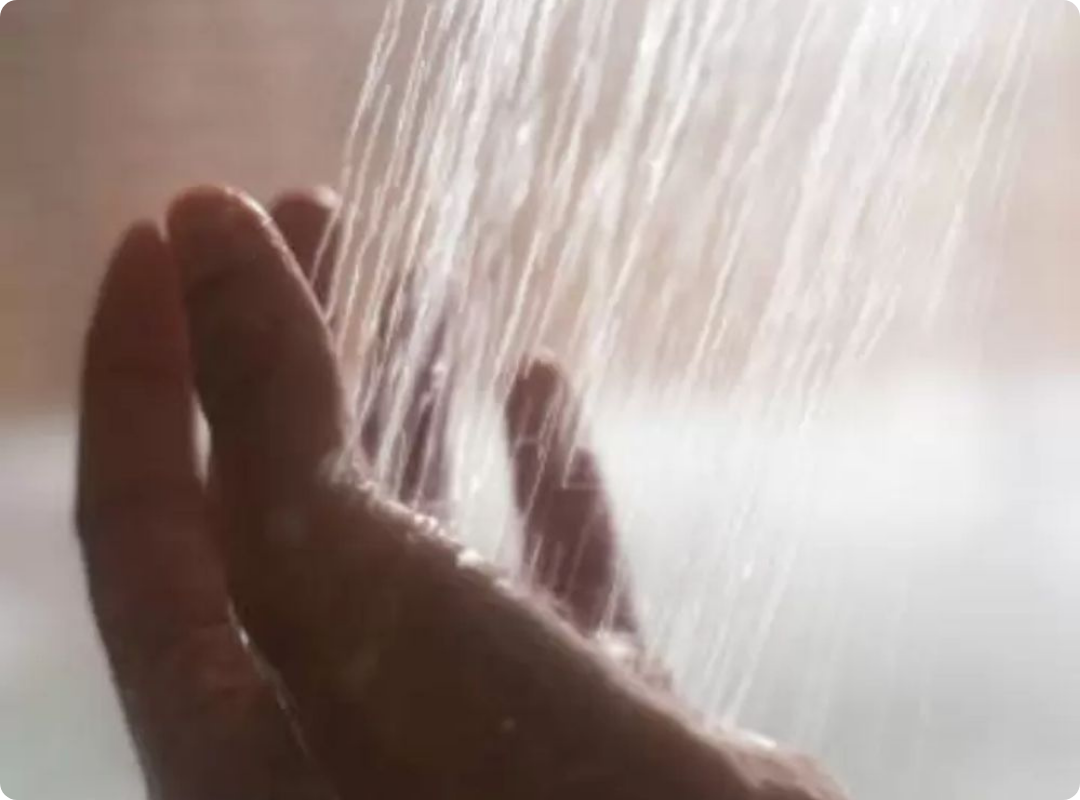
We’ve all had those moments—walking into a room and forgetting why, or struggling to recall a name. But what if the first whisper of cognitive change isn’t a memory lapse at all… but something far more subtle? Something you might notice while lathering up in the shower?
A groundbreaking line of research suggests just that: a fading sense of smell—especially for familiar, everyday scents like soap—may be one of the earliest, most revealing signals of Alzheimer’s disease. Not a dramatic symptom. Not confusion or disorientation. Just… silence where fragrance used to be.
🧠 Why Smell and Memory Are Intertwined
Smell isn’t just a sense—it’s a direct neural pathway. Odor molecules travel through the nose to the olfactory bulb, which has intimate, hardwired connections to two brain regions among the first affected by Alzheimer’s:
- The entorhinal cortex (a hub for memory formation)
- The hippocampus (critical for learning and spatial navigation)
As amyloid plaques and tau tangles begin accumulating—years before memory symptoms appear—they disrupt these circuits. The result? A gradual, often unnoticed dimming of the sense of smell—especially for familiar odors.
🧪 The “Shower Gel” Test: Science in Action
Dr. Davangere Devanand, a leading psychiatrist and neurologist at Columbia University, has spent years studying this link. In an eight-year study of over 1,000 adults, his team used a simple, 12-item scratch-and-sniff test—the University of Pennsylvania Smell Identification Test (UPSIT)—to assess odor recognition.
Participants were asked to identify common scents, including:
|
Everyday Scents
|
Food Scents
|
|---|---|
|
Soap
|
Cherry
|
|
Rose
|
Clove
|
|
Leather
|
Strawberry
|
|
Smoke
|
Menthol
|
|
Gasoline
|
Pineapple
|
|
Lilac
|
Lemon
|
The finding? Those who scored below 8 out of 12 were significantly more likely to develop mild cognitive impairment (MCI) or Alzheimer’s within the study period—even when memory tests were still normal.
Even more striking: When combined with a brief cognitive screen, this odor test performed as well as costly MRIs or invasive spinal taps in predicting future decline.
💡 Why This Matters—Beyond the Science
This isn’t about panic. It’s about power.
- ✅ Non-invasive: No radiation, needles, or hospital visits.
- ✅ Accessible: Can be administered in a primary care office.
- ✅ Early: Detects risk before irreversible brain changes accelerate.
As Dr. Jeffrey Motter, co-author of the research, emphasizes:
“Olfactory testing could be a game-changer in primary care—like checking blood pressure. It gives us a window to intervene when lifestyle changes, clinical trials, or early therapies may have the greatest impact.”
Early detection means more time for:
→ Cardiovascular health optimization (hypertension is a major risk factor)
→ Sleep apnea treatment (poor sleep accelerates amyloid buildup)
→ Mediterranean diet and aerobic exercise (both shown to slow decline)
→ Participation in cutting-edge prevention trials
🚿 So—What Should You Do in the Shower?
Next time you squeeze that bottle of shower gel—the one you’ve used for years—pause.
- Do you instantly recognize the scent?
- Or does it feel vague, unfamiliar, “off”?
- Do other everyday smells—coffee brewing, laundry detergent, rain on pavement—seem muted?
If you notice a consistent, unexplained decline in your ability to identify familiar odors—especially if paired with other subtle changes (e.g., repeating questions, misplacing items in odd places, losing interest in hobbies)—mention it to your doctor.
📌 Note: Temporary smell loss can stem from allergies, sinus infections, or even COVID-19. This is about persistent, progressive change—particularly in adults over 60.
A Final Thought
The shower is where we wash away the day’s residue—where steam rises, muscles relax, and minds briefly quiet. But it’s also, remarkably, a place where our biology speaks in whispers. That moment of uncertainty over your soap’s scent? It’s not trivia.
It’s data.
It’s your brain, asking for attention—early, gently, hopefully.
Because when it comes to Alzheimer’s, time isn’t just ticking.
It’s treatment.
It’s hope.
It’s the chance to protect what matters most—while there’s still time.