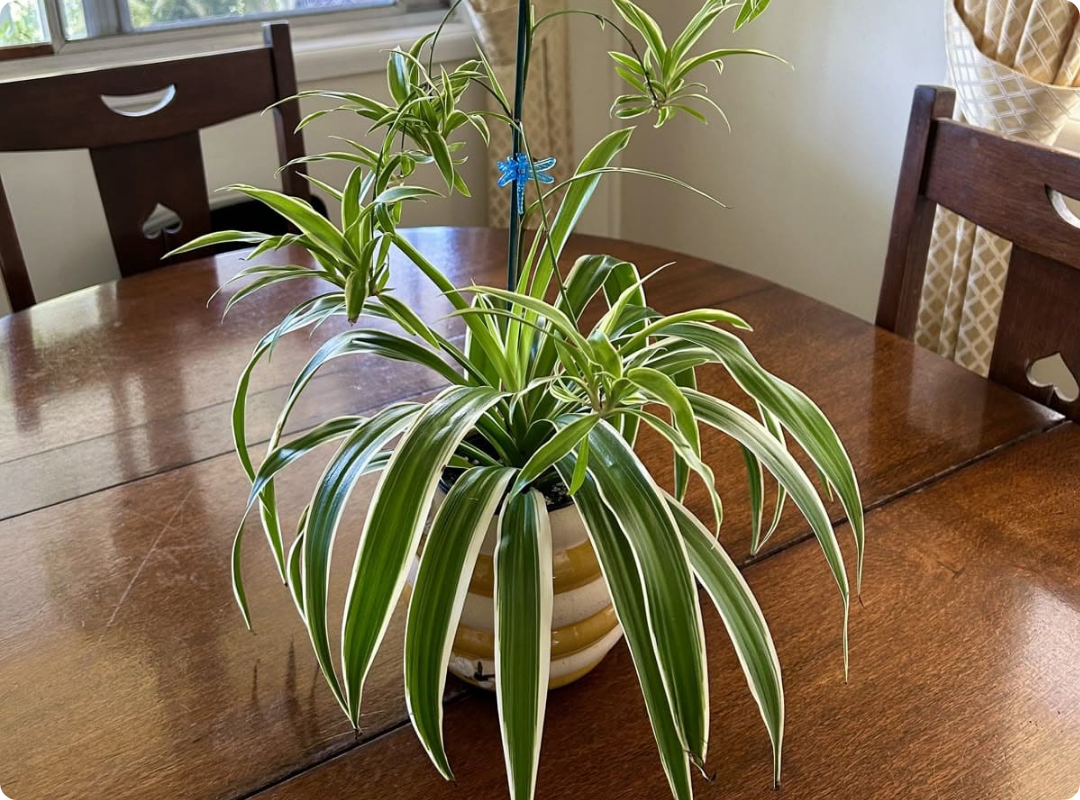
Spider plants (Chlorophytum comosum) are beloved for their graceful, arching foliage and cheerful “spiderettes”—those tiny plantlets that dangle like living ornaments. But many owners are surprised to learn these easy-care houseplants can also produce delicate, star-shaped white flowers.
If your spider plant has never bloomed, don’t worry—you’re not alone. Flowering doesn’t happen by accident. It’s a quiet reward for consistent, thoughtful care. With the right conditions, those tiny blossoms can appear season after season, often followed by new spiderettes ready for propagation.
Here’s how to create the ideal environment for your spider plant to flower—and thrive.
What Do Spider Plant Flowers Look Like?
The blooms are small, white, and star-shaped, appearing on long, slender stems called stolons—the same stems that eventually produce baby spider plants. Each flower lasts only a day or two, but healthy plants may produce clusters over weeks, especially in spring and summer.
Flowering is a natural part of the spider plant’s life cycle and often signals that your plant is mature (typically 1–2 years old) and thriving.
1. Give It Bright, Indirect Light
This is the #1 factor most owners overlook. While spider plants tolerate low light, they won’t flower without sufficient brightness.
Place your plant near an east-facing window for gentle morning sun, or a south- or west-facing window with sheer curtains to diffuse harsh rays. If your space lacks natural light, a small LED grow light used for 8–10 hours a day can make all the difference.
💡 No flowers? Check the light first.
2. Water Wisely—Not Too Much, Not Too Little
Keep the soil lightly moist, allowing the top inch to dry out between waterings. Overwatering leads to root rot; underwatering stresses the plant. Both suppress flowering.
During the growing season (spring–summer), maintain consistent moisture. In winter, reduce watering slightly to mimic natural dormancy.
3. Let It Get Slightly Root-Bound
Surprisingly, spider plants are more likely to bloom when snug in their pots. When roots fill the container, the plant senses it’s time to reproduce—triggering both flowers and spiderettes.
Avoid repotting too frequently. Only move to a larger pot when roots are visibly circling the surface or escaping drainage holes.
4. Feed Lightly and Strategically
Use a balanced, water-soluble fertilizer (like 10-10-10) once a month during spring and summer. Avoid high-nitrogen formulas—they promote leaf growth at the expense of flowers.
Skip feeding entirely in fall and winter to allow a natural rest period.
5. Maintain Warm, Stable Conditions
Spider plants prefer temperatures between 65–75°F (18–24°C). They can tolerate cooler nights, but avoid drafts, heaters, or sudden temperature swings. Consistency supports steady growth and encourages blooming.
Bonus Tip: Mimic Natural Seasons
To simulate outdoor cycles, give your plant a winter rest: reduce watering, stop fertilizing, and keep it in slightly cooler (but still bright) conditions for 6–8 weeks. Then resume regular care in early spring—this seasonal shift often triggers flowering.
Common Mistakes That Block Blooms
❌ Keeping it in deep shade – No light = no flowers.
❌ Overfertilizing with nitrogen-heavy plant food – Leads to lush leaves but zero blooms.
❌ Repotting too often – Prevents the root-bound signal that sparks reproduction.
❌ Ignoring seasonal rhythms – Plants need rest to reset.
What Happens After It Flowers?
Once your spider plant blooms, you’ll likely see spiderettes form along the same stolons. These can be left to root in air, pinned into soil, or shared with friends.
And even if your plant never flowers, the care practices that encourage blooming—bright light, balanced watering, and minimal repotting—will still result in a lusher, healthier, more vibrant plant.
Flowering isn’t essential for a happy spider plant—but it’s a beautiful sign that you’ve created the perfect balance of light, space, and care. So give your green companion the conditions it craves, and you might just be rewarded with a constellation of tiny white stars dancing above its leaves.